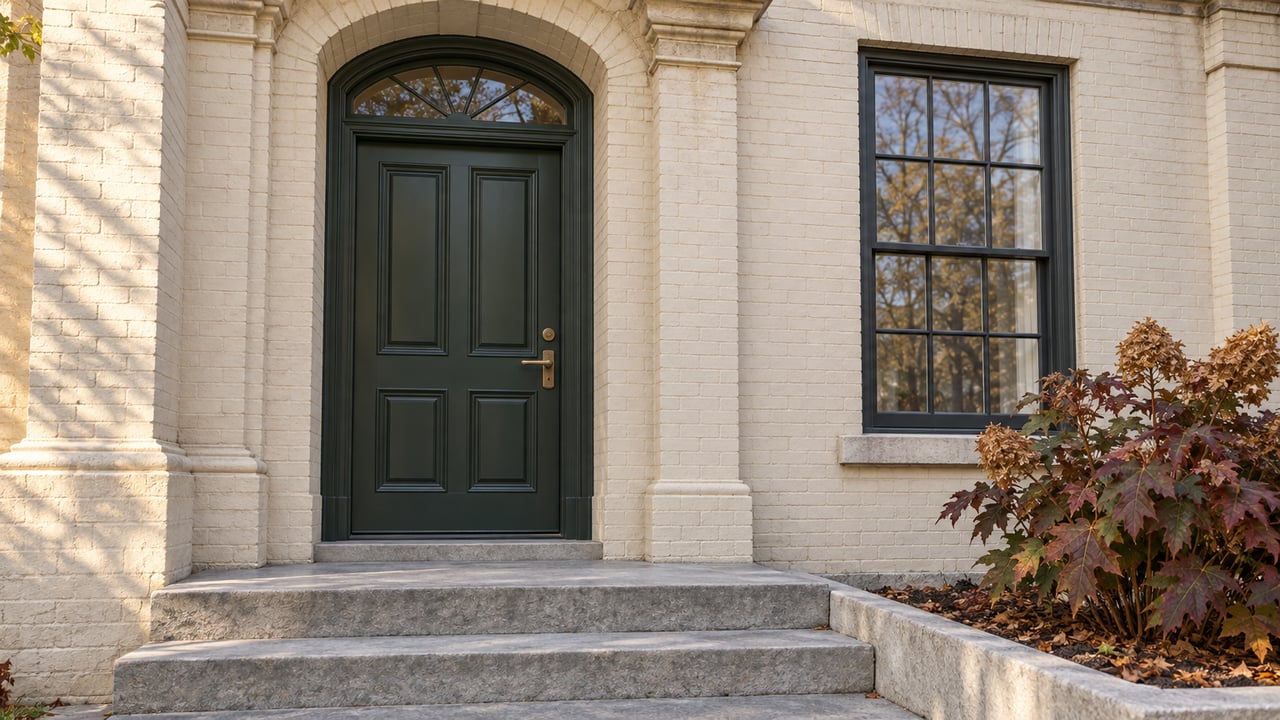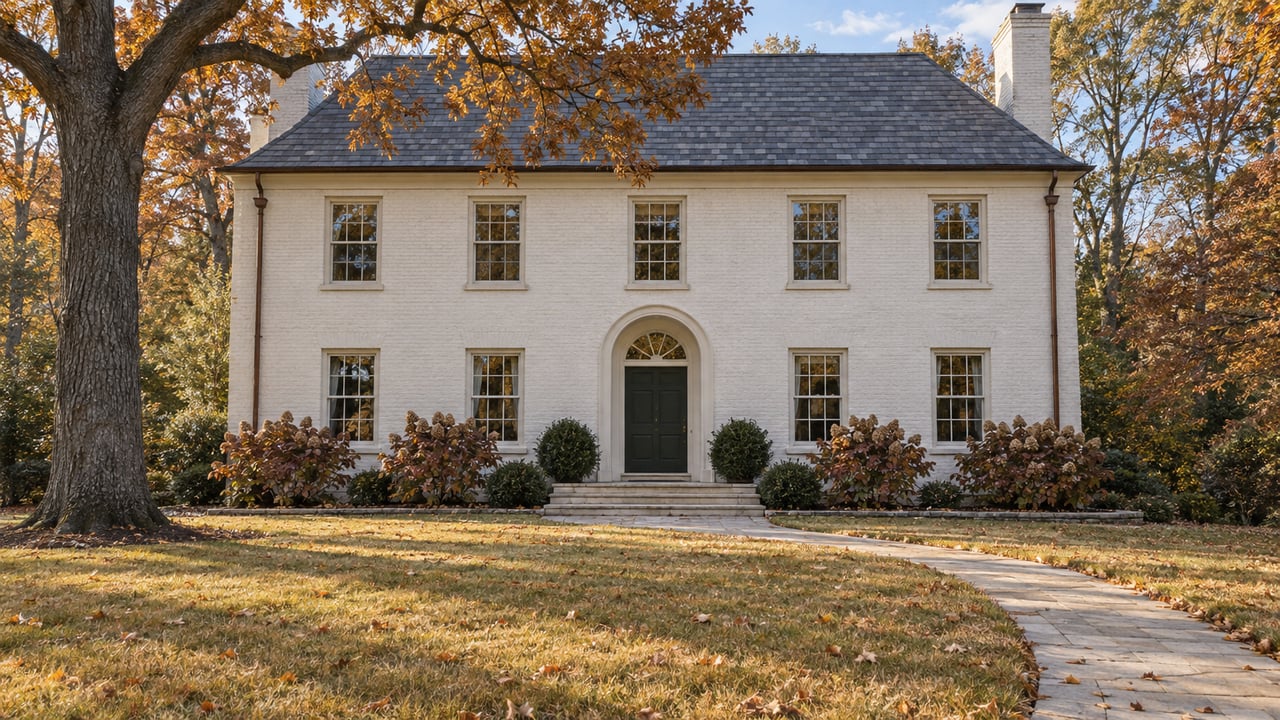
Stone pillars stand at the three entrances to Brookwood Hills. Inside them, a homeowner can apply to the neighborhood's pool and tennis club at any time. Being able to apply is all the house gets you. Membership takes two letters of recommendation and a vote of the club's board, and it costs $8,500 to join in 2026.
That arrangement is one of at least five in Buckhead's close-in neighborhoods. The swim club, the park and the security patrol you assumed came with the house are each owned and paid for differently: by a private club, by the City of Atlanta through a nonprofit, by a trust, or by a civic association that collects dues. The published first-year costs run from a couple hundred dollars to more than $10,000. Neighborhoods also differ in whether a new buyer can get into those amenities this year at all.
Brookwood Hills sells a place in line, not a membership
The Brookwood Hills Community Club describes itself as a neighborhood-owned pool and tennis club with a park and playground. Its 2026 fee schedule has three resident tiers. An A membership costs $1,600 a year in dues plus an $8,500 initiation fee and covers the pool, year-round tennis, the park, the Alex Summers Clear Creek Preserve and social events. A B membership costs $835 a year with no initiation fee and covers the park, the preserve and social events, but not the pool or tennis. Residents over 65 can join as S members for $860 a year plus a $5,500 initiation fee.
The club also has a limited number of non-resident memberships. For 2026 they cost the same $1,600 a year, but the initiation fee is $10,500, and applicants pay a nonrefundable $250 to hold a spot on a waitlist that is reviewed every spring. In club terms, then, owning a house inside the pillars saves $2,000 on initiation and lets you skip the waitlist. A first-year A membership for an owner still comes to $10,100. A non-resident who gets in pays $12,350, counting the waitlist fee.
The rule for tenants matters to anyone buying here as an investment. A family renting a Brookwood Hills house applies as non-residents. If the owner is an active club member, the tenant's application is considered when it comes in. If not, it waits for the annual spring review with the other non-resident applications. For a landlord, keeping up the club membership affects how quickly a tenant can use the pool. Brookwood Hills was developed largely between 1922 and 1933, and its houses include Tudor, Colonial, Neoclassical, bungalow and cottage designs.
Garden Hills has a public pool with a members' season
Garden Hills Pool is a City of Atlanta public pool. The nonprofit Garden Hills Pool & Park Association runs it under a lease from the city, and non-members can come during public hours. The published rate card lists no initiation fee. Membership is sold by the season and by household. In 2026 it cost $150 for seniors, $225 for a single adult, $350 for two people, $450 for three and $485 for a family of four or more, plus $50 to add a caregiver.
The pool's membership page says plainly that 2026 memberships sold out. It also says a member who sells their house cannot pass the membership to the new owners. A Garden Hills house therefore comes with no pool rights, and a new owner who wants a membership buys one when sales open in the spring. Members can bring guests for $5 a person during members-only hours, and they must stay at the pool with those guests.
The neighborhood's civic association is a separate nonprofit and a separate cost. The Garden Hills Civic Association is open to owners, tenants and representatives of apartment buildings, and it lists annual membership for new members at $300. Garden Hills was founded in 1925 as a country-club community, and its pool and recreation center date to the 1930s. Houses range from cottages to newer three-story construction.
At the Duck Pond, the neighborhood owns the park and pays its taxes
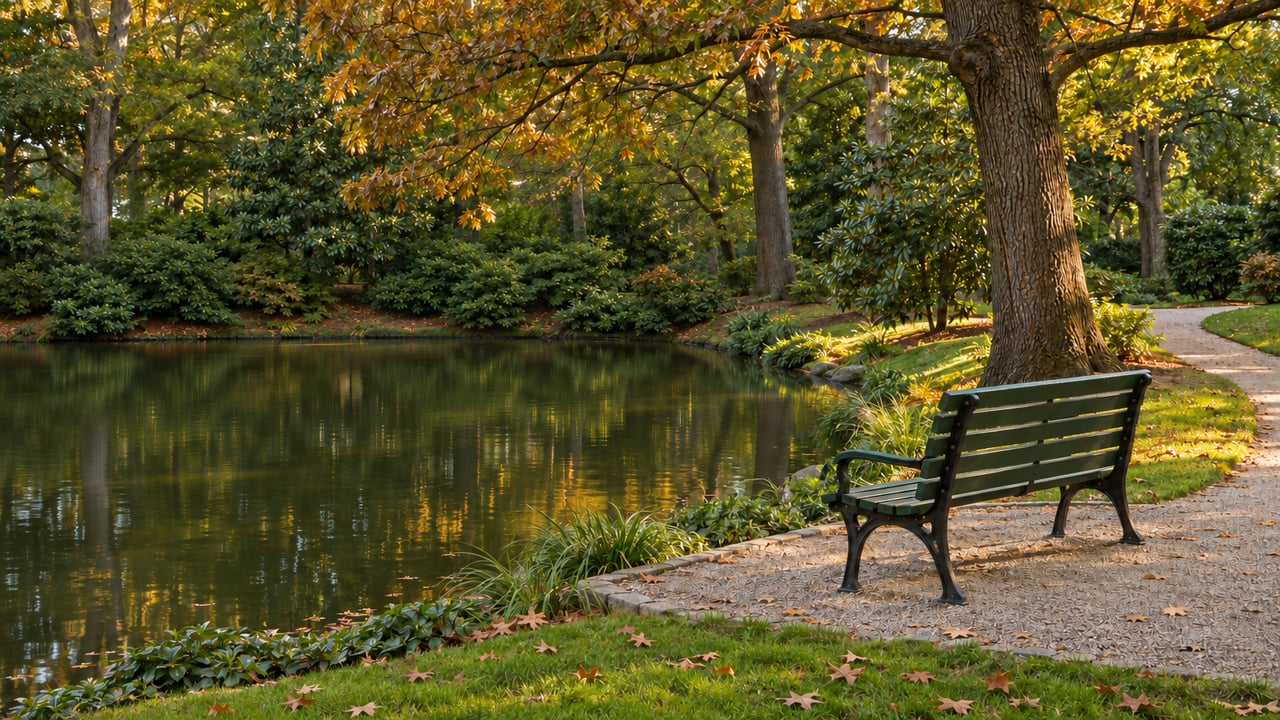
Peachtree Heights East shows a third arrangement. The Duck Pond and the parks next to it are private property held in trust for the neighborhood. Peachtree Heights Park, Inc. holds the title, and the Peachtree Heights East Neighborhood Association pays for maintenance and property taxes. Those costs come out of association dues, which also pay for security. Membership is open to residents of single-family homes inside the boundaries, including tenants.
Dues depend on where the house sits. The association's posted rates are $375 a year for a home facing the park, $275 for one that doesn't, $225 for a home on Lindbergh, Acorn or East Wesley, and $175 to join as a Friend of the Park. The park has a lake, walkways, benches and space for events, and association members get a discount on park rentals. Most of the homes date from 1910 to 1930, including restored cottages. There's no swim club, so a buyer here is paying to keep up a lake and its green space rather than a pool.
Peachtree Heights West and Peachtree Park fund their parks through civic dues
Across Peachtree Road, the Peachtree Heights West Civic Association collects dues that pay for neighborhood projects, park upkeep and a security patrol. Its 2027 join form lists $555 a year for a house and $390 for a townhome or condo. Contributions to the security fund are optional and paid separately. The neighborhood has about 550 homes, including English Tudor, Georgian and Italian designs. It was listed on the National Register in 1980 as the Peachtree Heights Park Historic District.
Peachtree Park's green spaces are smaller, and each was put together separately. Neighborhood parents negotiated a lease from a local businessman to create the Pocket Park Playground, which the Peachtree Park Civic Association now maintains. A builder donated a one-acre nature trail, and the association's site also lists a community garden and Bynum Bridge Park. Household dues are $258 a year, or $362 with the security booster. Senior dues are $154, or $232 with the booster. The neighborhood was built in phases. The first was platted in 1915, a later phase went up between 1940 and 1950, and the last was mostly post-World War II ranch houses. Within a few blocks you can find a 1920 house and a postwar ranch paying the same dues and using the same pocket park.
Around Chastain Park, the amenities belong to the city and nonprofits
Chastain Park works the other way from Brookwood Hills. According to the Chastain Park Civic Association, the golf course, arts center, picnic areas and playgrounds are City of Atlanta facilities. Nonprofits run the swimming pool, the horse park, the PATH trails and the NYO ballfields and gym, and UTA operates the tennis center. Membership at the Chastain Park Athletic Club pool is open to anyone. Posted summer rates are $450 for a family, $325 for an adult couple, $200 for one adult and $150 for a senior adult. The 2026 pool season ran from May 9 to Sept. 7. The civic association charges $195 a year on a calendar-year basis.
Owning a house near Chastain gives you no special access to the park. You get the same access as everyone else, a short walk from home. In a July 14, 2026, announcement, the Chastain Park Conservancy said it had raised more than $12 million for its Palisades project and needed about $1 million more. The Conservancy described the project as roughly 30 acres of public green space, trails and a pedestrian bridge, and it said construction was expected to begin Nov. 1. North of Peachtree Battle, Collier Hills has the 14.5-acre Tanyard Creek Park and borders Atlanta Memorial Park, Bobby Jones Golf Course and the Bitsy Grant Tennis Center. Like Chastain, it gets its recreation from public parks.
The first year, side by side
The table below lists published fees for a household that wants the main amenity in each neighborhood, with the period each rate covers. It shows posted prices only. It doesn't promise availability, and fees in every neighborhood can change.
| Neighborhood | Who controls the main amenity | Published cost | Period | Comes with the deed? |
|---|---|---|---|---|
| Brookwood Hills | Neighborhood-owned club, board approval | $8,500 initiation plus $1,600 dues for A membership | 2026 | No; owners may apply |
| Garden Hills | City pool run by a nonprofit under lease | $485 family of four or more, plus $300 civic association | 2026 season | No; membership cannot be transferred |
| Peachtree Heights East | Duck Pond held in trust, maintained by the association | $175 to $375 depending on location | Rate currently posted | Association membership open to residents |
| Peachtree Heights West | Civic association | $555 house, $390 townhome or condo | 2027 | Paid enrollment for owners |
| Peachtree Park | Civic association, leased pocket park | $258, or $362 with security booster | Current form | Open to residents and owners on listed streets |
| Chastain Park | City and nonprofits | $450 family pool membership, $195 civic association | Posted summer rates; calendar year | No; pool open to all |
At the top of the table, the first-year cost of a Brookwood Hills A membership, $10,100, is more than 20 times the $485 Garden Hills family pool membership. They pay for different things. The Brookwood Hills fee buys a share of a club the neighborhood owns. The Garden Hills fee buys one summer at a city pool.
A winter closing still runs on the spring calendar
Every swim season above opens in spring, so a buyer who closes between now and February has deadlines to keep. Garden Hills Pool membership sales open on the third Thursday in March each year, which falls on March 18 in 2027. The pool opens to members on Friday, May 7, 2027, and to the public on Saturday, May 29. In 2026, memberships sold out.
Brookwood Hills reviews non-resident openings in early spring, but a homeowner inside the pillars can apply as soon as they own the house. The two recommendation letters require knowing two members, and a buyer who closes in January has the winter to meet them. In Peachtree Heights East, Peachtree Heights West and Peachtree Park, each association posts its dues and a join form on its own website.
Questions buyers ask about Buckhead neighborhood amenities
Can a seller transfer a pool membership to me at closing? Not at Garden Hills Pool, whose membership page says so directly. At Brookwood Hills, a new owner submits a new application, including recommendations and board approval.
Do renters get access? Peachtree Heights East association membership is open to tenants of eligible homes. The Garden Hills Civic Association accepts tenants. Brookwood Hills considers tenants as non-residents.
Which neighborhoods have no private pool at all? The Peachtree Heights East and Peachtree Park association sites list no neighborhood swim or tennis club. The nearest pools with published memberships are the public ones at Garden Hills and Chastain.
The fees in this post are the published rates for the periods shown. They're general information, not financial or legal advice, so confirm current costs and terms with each club or association before you count on them.
If you're comparing houses on either side of the Brookwood Hills pillars, or deciding whether a winter closing leaves time before Garden Hills' March sign-up, talk it through with Carson Cowan before you make an offer in Buckhead. Let's Connect.