Dreaming of a classic porch, oak floors, and timeless details in Ansley Park? You are not alone. Buying a historic home here can be deeply rewarding, but the path is different from a newer build. In this guide, you will learn how to verify historic status, plan smart inspections, navigate permits, and align financing so you can buy with confidence. Let’s dive in.
Why Ansley Park is unique
Ansley Park is one of Atlanta’s early planned automobile suburbs, developed starting in 1904 and largely built out by 1930. Curving, park-like streets frame a rich mix of period architecture and pocket parks. The neighborhood is listed as a National Register Historic District, celebrated for its design and early 20th-century character, as outlined by the Ansley Park Civic Association and the American Planning Association.
What it is not is a uniformly regulated local historic district. Parts of Ansley Park do not fall under a City of Atlanta local historic overlay, which is what typically triggers design review for visible exterior changes. That distinction matters when you plan windows, porches, additions, or other façade updates.
Historic designation and permits: check this first
The National Register brings recognition and can help with certain incentives. It does not control demolitions or require Certificates of Appropriateness by itself. Local historic designation is the regulatory tool that typically requires review of visible exterior changes.
Before you assume anything about permits, confirm local status at the parcel level. The Georgia Trust explains why this difference matters in its discussion of Ansley Park’s preservation context. If a property is locally regulated, applications for exterior work usually go through the City’s Urban Design Commission for a Certificate of Appropriateness. Build in time for this process. You can see how the City’s preservation review fits into planning through materials that reference the Urban Design Commission process, such as the City planning documents.
Quick steps:
- Ask your agent to confirm the property’s local historic status with the City of Atlanta and request any prior permits or COAs on file.
- If you expect exterior changes, schedule a pre-application conversation with staff and plan your contract timeline to allow for review.
Architecture you will see, and what it implies
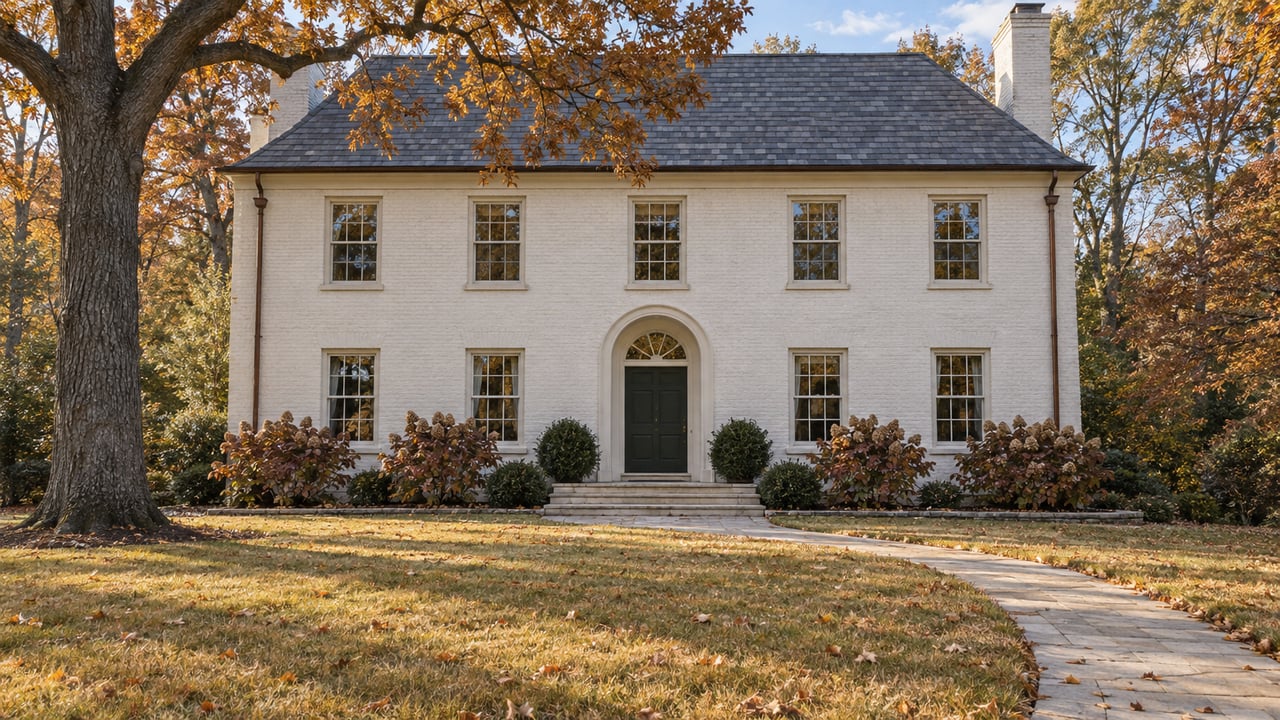
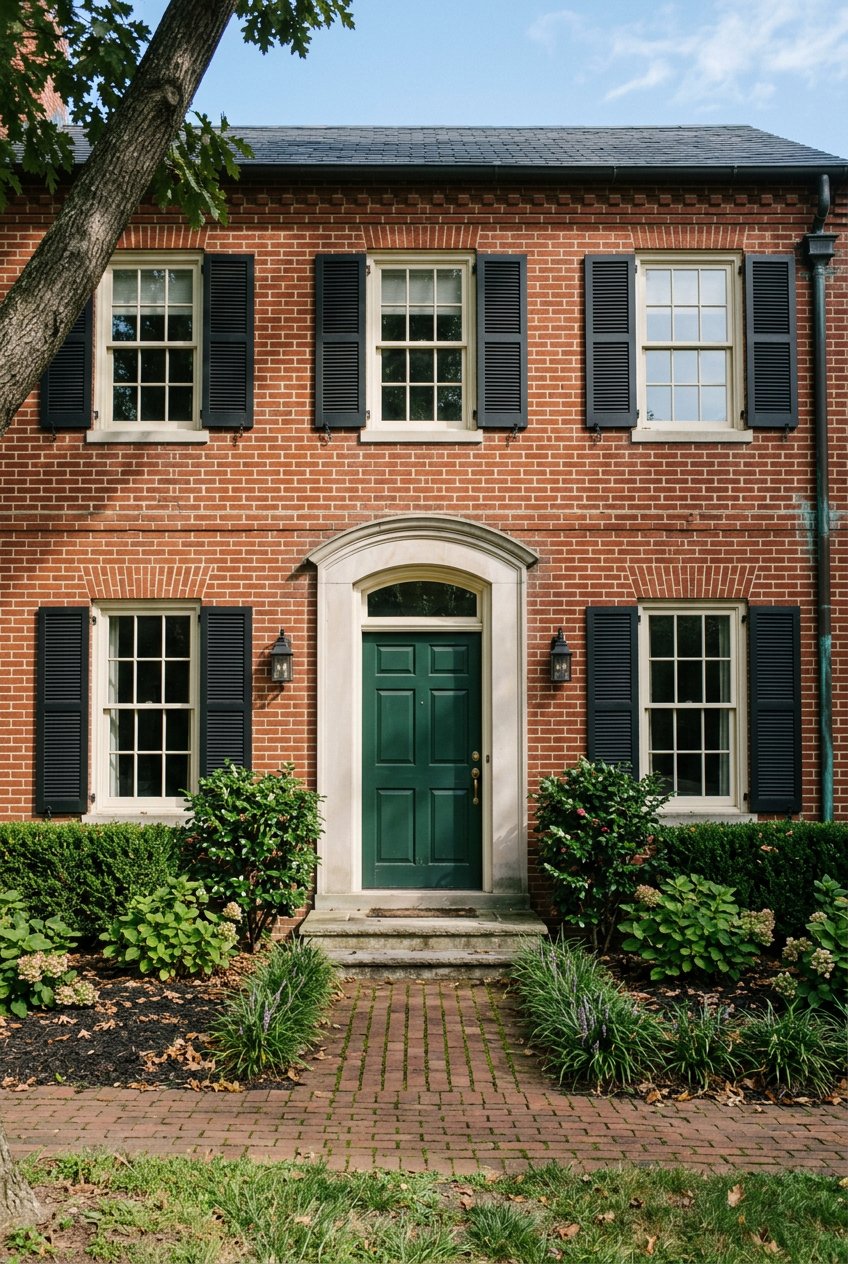
You will find Colonial Revival, Neo-Classical, Italian Renaissance, Tudor Revival, Queen Anne, and Craftsman or Prairie influences, often on tree-lined lots. Expect original materials like plaster walls, single-pane wood windows, oak floors, masonry chimneys and foundations, and detailed millwork, as noted by the American Planning Association’s profile.
These period details are part of the charm and often worth preserving. They also shape your renovation plan. Mechanical upgrades, insulation, and electrical capacity improvements can be more complex in homes where you aim to protect character-defining features.
A buyer’s due diligence timeline
You will make the strongest offer when you pair enthusiasm with a clear plan. Use this simple timeline to stay ahead of issues.
Before touring or writing
- Drive the block and note rooflines, porches, grading, and tree proximity. Historic trees add beauty but can affect drainage and utilities over time.
- Ask the seller for maintenance records, permits, and any termite bond.
- Start an early conversation with your lender and an insurance broker, especially if you suspect older systems.
Once under contract
- Book a general home inspection plus specialist follow-ups where indicated. For Georgia homes, a licensed WDO inspector is common and wise. The University of Georgia provides helpful context on risk and inspection practice in its termite and structural pest guidance.
- If you plan exterior changes and the property is locally regulated, open that conversation with City preservation staff during due diligence. This reduces surprises on scope and timing.
- Begin collecting repair estimates for lender and insurance needs, especially for roofs, electrical panels, and plumbing.
Specialized inspections to budget for
- WDO or termite inspection. Georgia is a high-risk state, so plan for this as routine. See UGA’s WDO guidance.
- Sewer scope. Many older homes have cast iron lines that can clog or crack.
- Electrical evaluation. Identify panel type and wiring. Insurers and lenders pay close attention to legacy systems. A local inspector explains common underwriting focus areas in this insurance FAQ.
- Roof and chimney assessment. Historic chimneys often need repointing or relining.
- Structural engineer if you see settlement, cracks, or sloping floors. Atlanta’s red clay and site drainage can contribute to movement. The state’s soils and stormwater publications offer context for drainage and grading in Georgia.
- Environmental testing where appropriate. For pre-1978 homes, contractors must follow EPA lead-safe practices. Learn how the Renovation, Repair and Painting rule works through the EPA’s RRP overview.
Common findings in early 1900s homes
Every house is different, but Ansley Park properties often reveal similar themes during inspections. Plan and price your offer with these in mind.
- Foundations and drainage. Look for localized settlement or cracked masonry. Correcting grading and directing downspouts away from the foundation often helps. Severe movement warrants an engineer’s review.
- Roofing and porches. Aging shingles or slate, failing flashings at dormers and valleys, and moisture-exposed porch framing are common repair items. Chimneys may need repointing or liners.
- Electrical systems. Ungrounded outlets, obsolete panels, and legacy wiring can be flagged by insurers and lenders. Budget for upgrades that meet current safety standards.
- Plumbing and sewer. Galvanized or cast iron piping can corrode or clog. Repiping and sewer repairs are common projects.
- HVAC and energy. Older equipment and limited insulation affect comfort. Plan for right-sized, efficient systems and targeted air sealing that respect character-defining spaces.
- Pests and moisture. Termites, wood rot, and crawlspace humidity are routine risks in a hot-humid climate. A moisture management plan is worth it.
- Lead paint and possible asbestos. Use lead-safe work practices in pre-1978 homes and test suspect materials before demolition. The EPA’s RRP guidance explains contractor requirements.
Permits, COAs, and preservation strategy
If your address is in a local historic district, visible exterior changes often require a Certificate of Appropriateness. That can include windows, porches, rooflines, additions, and façade materials. The process is manageable when you plan for it.
- Confirm parcel status early and request any prior COAs or permits.
- If regulated, schedule a pre-application discussion with staff and set a realistic timeline in your contract.
- For larger design work, consider a preservation-minded architect or contractor who understands the City’s review standards. City planning references that include the Urban Design Commission’s role can be found in published planning documents.
Renovation financing that can help
If the right house needs work, you can finance improvements as part of your mortgage. Two common paths are widely used by buyers of older homes.
- FHA 203(k). This HUD-insured program combines purchase and renovation into one loan. The Standard 203(k) suits larger projects and requires a HUD-approved consultant. Learn more from HUD’s 203(k) program overview.
- Fannie Mae HomeStyle Renovation. A conventional option that can finance a wide range of improvements, often used for higher-value projects. See Fannie Mae’s HomeStyle Renovation for details.
Practical lender notes:
- Appraisals. Renovation loans often use an as-completed appraisal. Lenders will want scopes, bids, and realistic costs. HUD’s 203(k) resources outline typical documentation.
- Property standards. Health and safety issues like major roof leaks, failing systems, or active infestation often must be addressed at or before closing.
- Timing. Plan extra time for contractor bids, lender reviews, and draw schedules, and coordinate with any COA or permit timeline.
Insurance realities for older homes
Underwriters focus on roof age, electrical panels and wiring type, plumbing materials, evidence of water or termite damage, and chimney safety. Many carriers request a simple four-point review of roof, electrical, plumbing, and HVAC before binding a policy. A local inspector’s insurance FAQ list shows what carriers often ask.
What to do:
- Shop quotes early and share known defects. Some carriers will bind coverage with a written plan to address an item shortly after closing.
- Get estimates for high-impact items like panel replacement, roof repairs, or repiping so you can weigh cost versus insurability.
- Consider a broker familiar with older and historic homes.
Build your team early
Buying a historic home rewards good planning and the right partners. If you expect exterior changes, involve City preservation staff early. For additions or façade work, a preservation-aware architect or contractor can save time and redesign costs. City planning materials that include the Urban Design Commission’s role are summarized in published planning documents.
With a renovation-savvy, concierge advisor, you can keep momentum without missing key steps. Carson connects you to vetted inspectors, preservation-minded contractors, and lenders who understand renovation mortgages, then helps you balance design goals with budget and timeline.
Buyer checklist for Ansley Park
Use this as a quick-reference list while you shop and write offers.
- Confirm the parcel’s local historic status with the City and request prior permits or COAs if any.
- Walk the exterior. Note roof condition, porches, grading, and tree roots near the foundation.
- Ask for maintenance records, termite bonds, warranties, and permit history.
- Write offers with inspection contingencies that allow specialists: WDO, sewer scope, electrician, plumber, roofer, chimney, and structural engineer as needed. See UGA’s WDO guidance.
- If regulated, plan a pre-application conversation with City preservation staff before finalizing exterior scope. City planning references including the UDC are in published planning documents.
- Line up financing. If the home needs work, explore HUD’s 203(k) or Fannie Mae HomeStyle Renovation.
- Start insurance checks early and ask what conditions are acceptable to bind coverage. A local inspector’s carrier expectations can help you prepare.
- For lead-safe practices in pre-1978 homes, see the EPA’s RRP rule overview.
- For site drainage context in Georgia’s soils, review state guidance on grading and drainage and plan gutters and downspouts accordingly.
Final thoughts
A historic Ansley Park home can deliver beauty, character, and long-term value when you pair the right inspections with a realistic plan for permits, financing, and insurance. With a clear roadmap, you can protect what makes the house special and make smart, modern updates that fit your lifestyle.
If you want a design-aware advisor who can guide inspections, connect you with the right preservation professionals, and keep your purchase on track, reach out to Carson Cowan. Let’s connect.
FAQs
What is the difference between National Register and local historic status in Ansley Park?
- National Register listing brings recognition and potential incentive eligibility, while local historic designation is what typically triggers City review and Certificates of Appropriateness for visible exterior changes, as explained by the Georgia Trust.
Do I need City approval to change windows or add a porch on an Ansley Park home?
- If your parcel is inside a local historic district or otherwise subject to the Urban Design Commission, visible exterior changes usually require a Certificate of Appropriateness. Plan a pre-application discussion and allow time, as summarized in City planning materials referencing the UDC process.
Which inspections are must-haves for early 1900s homes in Atlanta?
- In addition to a general inspection, plan for WDO or termite, sewer scope, electrician, plumber, roof and chimney, and a structural engineer if movement is suspected. UGA’s WDO guidance outlines typical Georgia risks.
What renovation loans work for historic homes in Ansley Park?
- FHA 203(k) and Fannie Mae HomeStyle Renovation can bundle purchase and improvement costs. Expect as-completed appraisals, contractor bids, and extra time for lender reviews.
How do insurers view older systems like knob-and-tube wiring or old roofs?
- Carriers focus on roof age, electrical panels and wiring, plumbing materials, and evidence of water or termite damage. Many ask for a four-point review before binding, as noted in a local inspector’s insurance FAQ.