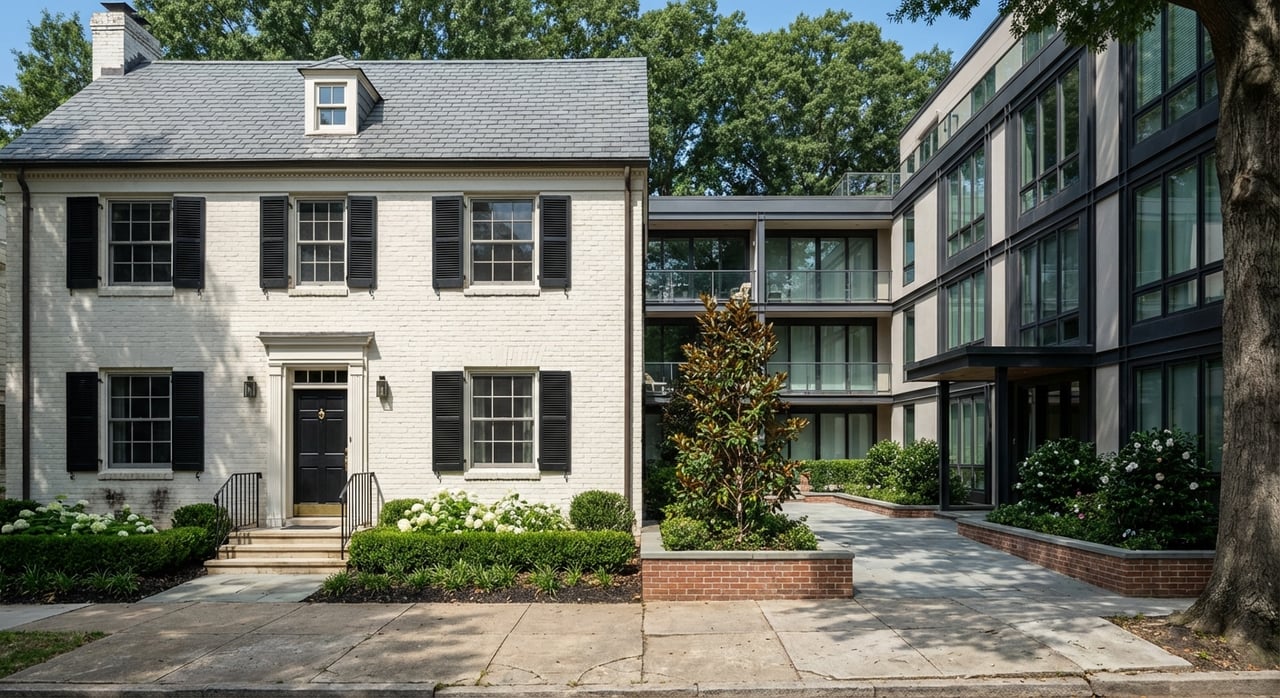
Torn between skyline views and a backyard? If you are deciding between a Midtown condo and an intown single-family house around Midtown, you are weighing two great but very different ways to live in Atlanta’s urban core. You want the right mix of walkability, space, budget, and long-term value. In this guide, you will see a clear, side-by-side look at real costs, taxes, HOA factors, lifestyle, financing, and resale so you can choose with confidence. Let’s dive in.
Note: Prices and stats referenced here are current as of Jan 31, 2026 and reflect the sources cited below. Always verify final numbers for a specific address and building.
Midtown market snapshot
Midtown is one of Atlanta’s most walkable neighborhoods, with high-rise condos, townhomes, and a limited number of single-family homes nearby. Neighborhood medians blend all product types, and recent reporting places Midtown’s home-value index in the mid to high $300ks. Condo medians often run in the roughly $250k to $400k range, while many intown single-family homes in nearby historic pockets trade well above that. These differences shape both your upfront budget and your monthly payment.
Rental demand is strong in Midtown, which supports condo liquidity for certain investors. Inventory and pricing can move seasonally, so check a fresh local market update before you write an offer.
Neighborhood boundaries vary by site and report. When you compare prices, confirm which streets are included in the data.
What really changes your monthly payment
Purchase price and mortgage
Your loan size drives principal and interest. In Midtown and the surrounding intown ring, most entry and mid-market condos price lower than most freestanding homes. Many single-family homes in nearby pockets list at $600k and above. Even with the same down payment percentage, that spread can mean a very different monthly payment.
Property taxes in Fulton County
Georgia assesses residential property at 40 percent of fair market value, then applies local millage rates to the assessed value. You can see the state’s formula in the Georgia Department of Revenue’s overview of property tax basics. As a point of reference, Fulton County’s 2025 General Fund millage was 8.87 mills. That is only the county portion. Your full bill will also include city, school, and other millages, which increases the total. You can see the county reference in Fulton’s notice of the 8.87 mills rate for 2025.
HOA fees and what they cover
Most Midtown condos have monthly HOA dues that fund building operations and reserves. In practice, fees often range from the low hundreds per month to well above $800 per month based on amenities, parking, staffing, and what utilities are included. Always review the current budget and fee schedule for the specific building you are considering.
Insurance and maintenance
- Condo owners typically carry an HO-6 policy, which covers your interior improvements, personal property, and liability. It fills gaps the HOA’s master policy does not cover. Consumer analyses show HO-6 premiums are often in the low hundreds per year depending on coverage. Learn more in this overview of condo insurance and HO-6 coverage.
- Single-family homes usually have higher homeowners insurance costs and require a maintenance reserve. A common planning rule is to budget about 1 percent to 3 percent of the home’s value per year for maintenance and capital items. See a straightforward explainer of the 1 to 3 percent maintenance rule.
Two quick monthly sketches
These examples show the method and round the math. They are not rate quotes.
Condo example: Purchase price $400,000. GA assessed value is 40 percent, so $160,000. County share at 8.87 mills equals about $1,420 per year for the county portion only. Add HOA dues, for example $500 per month. Add HO-6 insurance, say $400 per year. Then add your mortgage principal and interest based on your down payment and rate. Your final tax bill will include city and school millages on top of the county share.
Intown single-family example: Purchase price $700,000. Assessed value is $280,000. County share at 8.87 mills equals about $2,485 per year for the county portion only. Add homeowners insurance, which is usually higher than a condo HO-6. Add a maintenance reserve at 1 percent to 3 percent of the home’s value per year. Many houses have no HOA, which offsets part of the difference. Your full tax bill will also include city and school millages.
Use these steps to plug in your actual numbers: apply the GA 40 percent rule to your price, multiply by each local millage to estimate taxes, add HOA or maintenance, then add mortgage principal and interest from your lender’s calculator.
Lifestyle tradeoffs that matter
Walkability and transit access
If you want a car-light lifestyle, Midtown condos often win on convenience. Midtown earns a high Walk Score and strong transit access, anchored by the MARTA Red and Gold lines. You can check local walkability on the Midtown Walk Score page. That said, many intown houses in surrounding neighborhoods are still close to parks, restaurants, and BeltLine segments. Try a commute test at rush hour to compare door-to-desk time.
Space, privacy, and flexibility
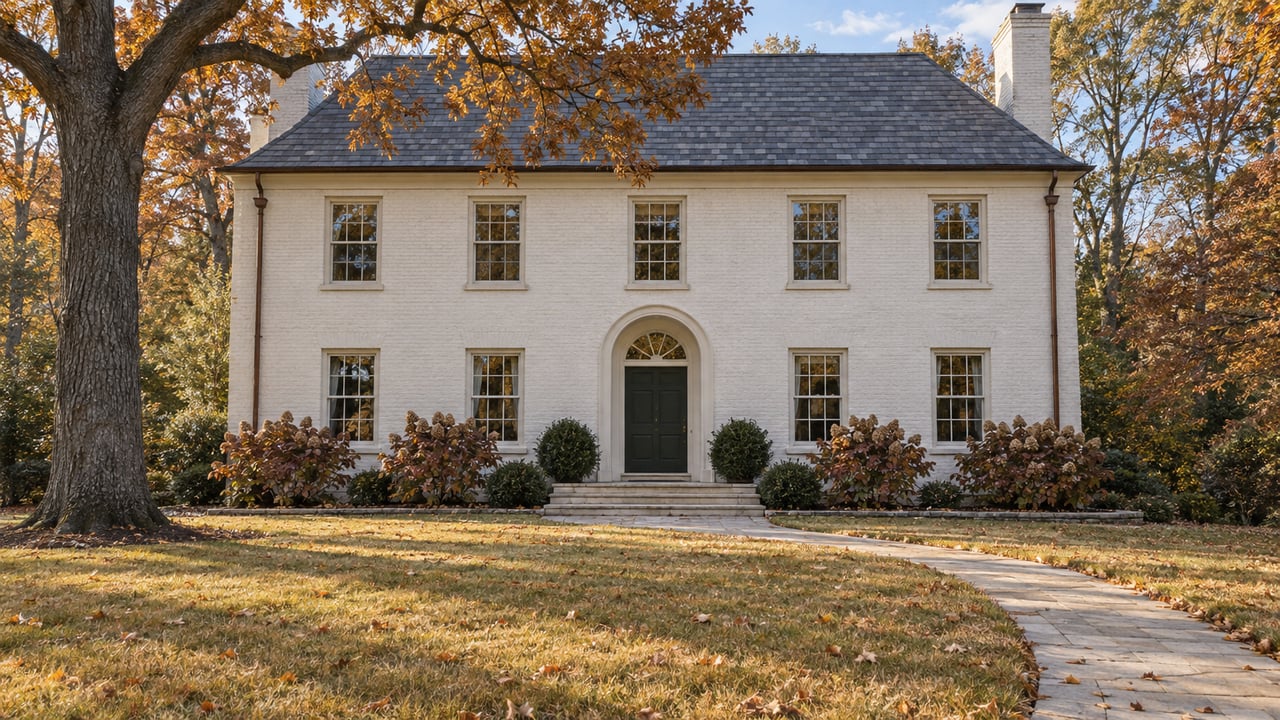
A single-family home gives you a private yard, more storage, and greater flexibility for projects or pets. A condo typically trades exterior maintenance for shared walls and community rules. Review HOA policies for renovations, flooring, pets, and short-term rentals before you commit.
Parking, noise, and access
Midtown condos often include garage parking and concierge access that make daily living simple. Street activity and nightlife can bring more ambient noise, so visit the block both day and evening. Intown houses vary block by block on driveway space, alley access, and street parking. Do a nighttime parking check during your tour.
Commute reality check
Fulton County’s mean travel time to work sits around the high 20 minutes range. If you work in or near Midtown, living close can mean shorter door-to-desk times compared with many suburban routes. You can explore county travel-time context via Census Reporter’s Fulton County profile, then run your own route test at peak hours.
Condo due diligence that protects your budget
Before you write an offer on a condo, ask for these items and understand what they mean for your costs and future resale:
- Reserves and capital planning: Underfunded reserves are a common driver of special assessments. Ask for the latest reserve study or summary, percent funded, and any planned capital projects. See the Community Associations Institute perspective on reserve studies and funding.
- Project eligibility: Financing can be harder if a building has deferred maintenance, weak reserves, high investor concentration, active litigation, or excessive commercial space. Lenders use Fannie Mae and Freddie Mac project criteria to decide if a project is warrantable. Review Fannie’s condo project eligibility guidance and ask your lender to confirm status.
- FHA and VA options: Some buyers use FHA or VA loans. You can look up FHA status using HUD’s condominium search tool. Your lender can also advise on single-unit approvals.
- Insurance coordination: Confirm whether the master policy is bare-walls or all-in, the master deductible, and whether the association uses loss assessments. Consider an HO-6 policy that includes loss-assessment coverage. See a clear overview of HO-6 and loss-assessment coverage.
Financing and resale: how the property type shapes outcomes
Condo financing depends on both you and the project. Buildings with eligibility issues can limit your loan choices or require a larger down payment, which can also narrow the future buyer pool. That may mean longer days on market or greater sensitivity to price.
Single-family homes usually have simpler financing and a broader buyer base. That can support price resilience over a full market cycle, although condition, location, and presentation still matter a lot. If you plan a 3 to 7 year hold, discuss your exit strategy early so you can buy with resale in mind.
Neighborhood context around Midtown
Midtown is the hub, with many nearby intown pockets offering different feels and product types:
- Old Fourth Ward, Poncey-Highland, Inman Park: mix of townhomes, historic houses, and newer infill. Close to dining and trail access.
- Virginia-Highland and Ansley Park: established single-family neighborhoods with higher price points and limited condo options.
- Atlantic Station and Home Park: more mixed product, including newer townhomes and condos with easy highway access.
Your choice often comes down to where you spend your time and what daily routines you want to optimize.
Which is the better fit for you?
Choose a Midtown condo if you want:
- Walkability to work, MARTA, and daily amenities.
- On-site amenities like a gym, pool, concierge, and secured parking.
- Lower exterior maintenance and a predictable routine.
- A purchase price that often sits below nearby single-family homes.
Choose an intown house if you want:
- Private outdoor space, storage, and flexibility for projects.
- Fewer community rules and more control over improvements.
- A wider buyer pool and generally simpler financing at resale.
- Room to grow over a longer holding period.
Your next steps
Run the math using local rules. Apply Georgia’s 40 percent assessed-value rule using the state’s property tax overview. Add city, school, and other millages in your estimate, and include HOA or a 1 percent to 3 percent maintenance reserve.
Test lifestyle fit. Check the Midtown Walk Score, walk your daily routine, and drive your commute at peak hours. Visit the block day and night.
If you are condo-curious, verify the building. Ask your lender to confirm Fannie Mae eligibility using the project eligibility guidance and look up FHA status in HUD’s condo search tool. Request HOA financials, rules, and recent minutes. Review reserve funding with the CAI framework for reserve studies.
Tour with an eye for value. For houses, pay attention to roofs, HVAC age, drainage, and trees. For condos, check building systems and any recent or planned capital work. Use an independent inspector either way.
If you want a clear, side-by-side plan tailored to your timeline and budget, reach out for a consult. With design-informed insight and data-backed guidance, we will help you compare real options and buy with confidence. Connect with Carson Cowan to get started.
FAQs
What are typical Midtown condo HOA fees and what do they cover?
- Midtown condo dues often range from the low hundreds to above $800 per month, commonly covering building operations, reserves, amenities, staffing, and some utilities.
How are property taxes calculated for a Midtown home in Fulton County?
- Georgia assesses at 40 percent of market value and applies local millage rates to that assessed value, with county, city, and school components added to reach the full bill.
What condo documents should I review before making an offer?
- Ask for the HOA budget, reserve study or summary, insurance policy, meeting minutes, rules, and any special-assessment history to gauge fees, risks, and governance health.
How does condo project eligibility affect my financing and resale?
- If a building is not eligible under Fannie Mae, Freddie Mac, or FHA rules, loans can be more limited or require larger down payments, which may narrow the future buyer pool.
How much should I budget yearly for house maintenance versus a condo?
- A common rule for houses is 1 percent to 3 percent of home value per year, while condos shift some costs to HOA dues but still require interior upkeep and reserve planning.