Trying to choose between a condo or a townhome in Virginia-Highland? You are not alone. This walkable intown neighborhood draws buyers who want location, character, and low-maintenance living. The right fit depends on how you prefer to live, what you want to control, and how you plan to finance and insure your home.
In this guide, you will learn the key differences in ownership, HOA responsibilities, maintenance, financing, resale, and rental rules. You will also get a practical checklist for due diligence that fits Virginia-Highland’s mix of boutique condos and infill townhome communities. Let’s dive in.
Virginia-Highland market context
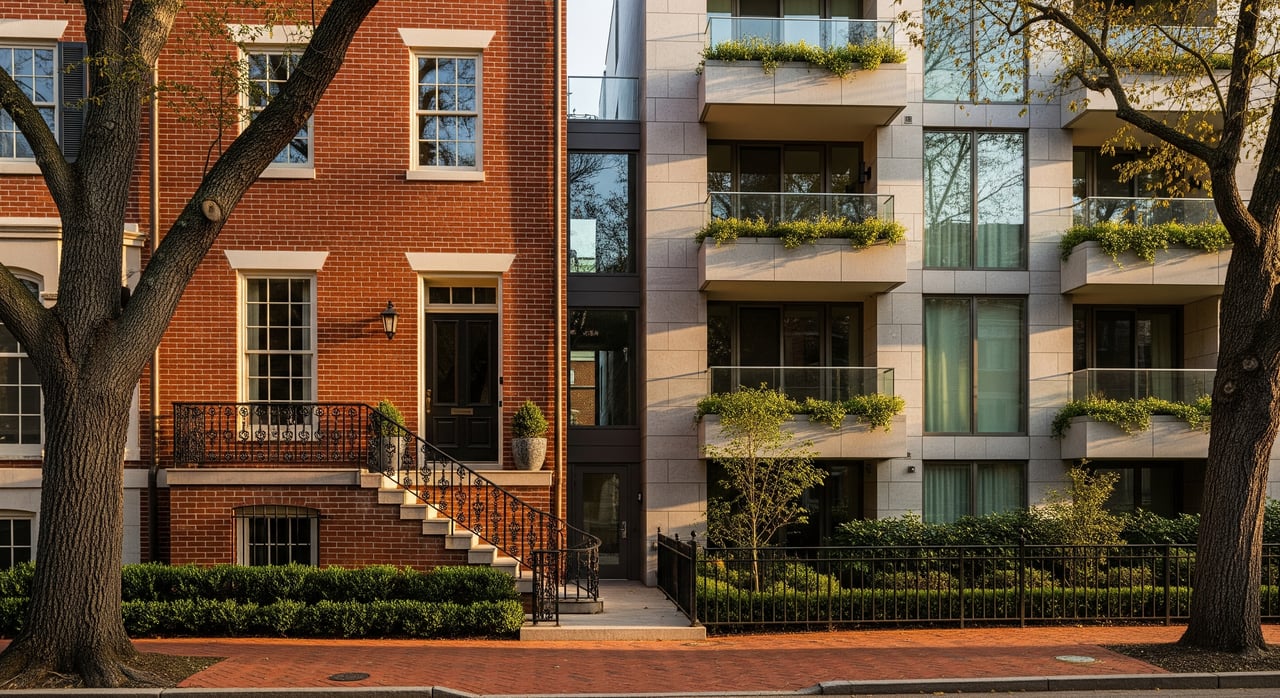
Virginia-Highland is known for a walkable lifestyle with street-front restaurants and boutiques, historic charm, and quick access to Midtown and Buckhead. That mix attracts buyers who value location over lot size. You will see older condos in smaller buildings or conversions and newer fee-simple townhomes on infill sites. Both options can be great, but quality and HOA management matter.
Because land is tight, attached housing is common. That means you will find strong demand for well-located, low-maintenance homes. The difference in resale appeal often comes down to design, parking, outdoor space, and how well the association is run.
Ownership and control
What you own in a condo
- You own the interior of your unit and a percentage interest in the common elements.
- The HOA maintains the building exterior and shared systems, per the declaration.
- Rules for renovations and finishes are set in the CC&Rs, bylaws, and building standards.
What you own in a townhome
- Many townhomes in intown Atlanta are fee-simple. You own the structure and the land under it.
- HOAs may still maintain shared driveways, landscaping, and entries. Exterior responsibility can vary.
- Some townhomes are legally condos. Always confirm in the recorded declaration and plat.
What to verify in documents
- Legal description on the deed to confirm fee-simple lot versus condo unit plus common interest.
- Recorded declaration, CC&Rs, condominium map or subdivision plat, bylaws, and any responsibility matrix that shows who maintains what.
- Association rules for exterior changes, parking, pets, and rentals.
HOAs, fees, and reserves
How condo HOAs typically work
- Broader scope. HOA often covers exterior, roof, building structure, common systems, and exterior insurance.
- Monthly dues can be higher because they fund major building costs and any amenities.
- Healthy reserves matter. Older buildings with weak reserves may levy special assessments for big projects.
How townhome HOAs typically work
- Narrower scope. HOA often focuses on shared areas and landscaping.
- Owners are often responsible for roof and exterior, unless the documents say otherwise.
- Dues may be lower, but you may face individual capital costs for big exterior items.
What to request from the HOA
- Current budget, financials, and reserve study with reserve balance.
- Insurance certificate for the master policy, including deductible amounts and coverage level.
- Meeting minutes for the last 12 to 24 months and any list of recent or pending special assessments.
- Association rules, rental limits, pet policy, parking policy, and delinquency rate on dues.
Insurance and risk
Condo policies to understand
- The HOA master policy insures common elements and the exterior to a stated level. It may be bare-walls or all-in.
- You will need an HO-6 policy for your interior finishes, personal property, and liability.
- Large master policy deductibles can shift costs to owners. Check how deductibles are allocated in the bylaws.
Townhome policies to understand
- If fee-simple and the HOA does not insure exteriors, you likely need an HO-3 policy that covers the structure.
- The HOA may insure only common areas. Confirm what is included and how deductibles work.
Financing and appraisal
Condo financing
- Many lenders review the project. Factors like owner-occupancy, litigation, and investor concentration can affect approval.
- FHA and VA have separate condo approval processes that can limit options.
- Appraisals may be sensitive to project health and comparable sales within the building or similar buildings.
Townhome financing
- Fee-simple townhomes are often treated like single-family homes by underwriters.
- Approvals are usually simpler when you own the land and there is no condo regime.
- Appraisals often have more comparables across fee-simple attached homes.
Resale and rental rules
What drives resale in Virginia-Highland
- Walkable location, smart floor plans, and private outdoor space help both condos and townhomes.
- Garages, dedicated parking, and storage add value.
- Association health, reserve funding, and clear maintenance plans support stable pricing.
Rental and short-term rental policies
- Many associations limit leasing and short-term rentals, which affects investor buyers and resale.
- The City of Atlanta also regulates short-term rentals. Check city licensing and HOA rules before you rely on rental income.
Quick comparison: maintenance, costs, resale
| Factor | Condo | Townhome |
|---|---|---|
| Maintenance | HOA often handles exterior and common systems per declaration. | Owners often handle roofs and exterior unless documents assign to HOA. |
| Monthly costs | Higher HOA dues may cover exterior insurance and more services. | Lower dues common, but owners budget for exterior and capital items. |
| Resale and liquidity | Boutique, well-managed projects can sell well. Small projects may face lender limits. | Fee-simple ownership appeals to many buyers and can simplify financing. |
Lifestyle fit questions to ask yourself
- How much control do you want over exterior changes and finishes?
- Do you prefer a private entrance and garage, or are shared entries fine?
- Are you comfortable with higher monthly dues that may reduce surprise costs, or do you prefer lower dues and pay for big exterior items yourself?
- Do rental limits affect your long-term plans?
Due diligence checklist for buyers
Documents to gather
- Declaration, CC&Rs, bylaws, and rules.
- Current budget, financial statements, and reserve study.
- Insurance certificate with coverage and deductibles.
- Meeting minutes for 12 to 24 months and any special assessment details.
- Subdivision plat or condominium map, plus any engineering or inspection reports.
- Disclosures on pending litigation and the owner occupancy rate.
Cost items to compare side by side
- HOA dues and a line-by-line summary of what they cover.
- Property taxes from Fulton County records.
- Typical utilities for the unit type and size.
- Insurance premium estimates for HO-6 versus HO-3.
- Parking costs or fees if applicable.
Inspection focus areas
- Condos: building envelope, roof, signs of water intrusion, shared plumbing and HVAC, elevator condition if present, sound transmission.
- Townhomes: roof, flashing, siding, foundation, drainage and grading around patios or yards, garage structure, party walls.
How to choose with confidence
Step 1: Clarify your priorities
List your must-haves. For example, a garage, office space, outdoor patio, or elevator access. Decide if you prefer lower monthly dues or lower capital risk.
Step 2: Get early lender input
If you lean condo, ask a local lender about project approval requirements. For townhomes, confirm fee-simple status and standard underwriting.
Step 3: Read the HOA documents closely
Look for who maintains the roof and exterior, reserve funding, and any planned projects. Review rental restrictions and rules that affect your lifestyle.
Step 4: Price the total monthly carry
Add mortgage, taxes, HOA dues, utilities, and insurance. Compare HO-6 versus HO-3 costs. Include a realistic reserve for repairs or special assessments.
Step 5: Inspect with the product type in mind
Use an inspector with experience in intown buildings and attached homes. Ask about drainage, building envelope, and shared systems.
Step 6: Think about resale from day one
Prioritize parking, storage, outdoor space, and association health. Those features protect value in Virginia-Highland.
Local nuances that matter
- Smaller condo buildings and historic conversions can have unique declarations. Do not assume standard coverage. Read the documents for each property.
- Recent infill townhome communities are often fee-simple. Owners typically have more exterior responsibility, but rules vary by association.
- Small condo projects can face lender limits that reduce the buyer pool. Healthy reserves and clean governance help.
- Rental limits and short-term rental rules exist at both the HOA and city level. Verify both if rental use matters to you.
Ready to compare options in person?
If you are weighing a condo against a townhome in Virginia-Highland, you deserve a clear, side-by-side plan. With a design-aware eye and data-driven approach, we can help you evaluate HOA strength, renovation potential, and total carrying costs, then negotiate with confidence. Connect with Carson’s vetted inspectors, stagers, and contractors when you need them, and tap into a concierge process from search through closing.
When you are ready, reach out to Carson Cowan for a tailored tour of Virginia-Highland options and a custom comparison based on your goals. Let’s make a smart, confident move.
FAQs
What should I know about condo financing in Virginia-Highland?
- Many lenders review condo projects for owner-occupancy, litigation, and other factors, so it helps to involve a local lender early to confirm eligibility.
Who maintains the roof in a condo or townhome?
- In many condos the HOA maintains the roof, while many fee-simple townhome owners handle their own roofs, but always check the declaration and responsibility matrix.
Will my HOA dues likely increase after I buy?
- Dues can change; review the budget, reserves, and meeting minutes for upcoming projects or assessments to gauge risk.
How do insurance policies differ for condos and townhomes?
- Condos typically require an HO-6 policy for interiors alongside the HOA master policy, while fee-simple townhomes often need an HO-3 that covers the structure.
Are short-term rentals allowed in Virginia-Highland properties?
- Policies vary by HOA and the City of Atlanta, so confirm both sets of rules before relying on short-term rental income.
Are condos harder to resell than townhomes in this area?
- Well-managed boutique condos and well-designed townhomes both sell well here, but small condo projects and weak HOA reserves can limit financing and slow resale.