Craving tree-lined streets, coffee shops you can walk to, and a quick trip to Midtown? If you’re considering intown Atlanta, Morningside–Lenox Park deserves a close look. You want a neighborhood that blends classic architecture, everyday convenience, and solid long-term value. This guide gives you a clear feel for the homes, lifestyle, schools, commuting, and the practical details you should know before you buy. Let’s dive in.
Where Morningside–Lenox Park sits
You are about three miles northeast of downtown Atlanta, just east of Piedmont Avenue and south of Virginia-Highland. This is a mature residential area with a dense tree canopy and a friendly, everyday rhythm. You’ll find nearby commercial nodes that support daily errands without long drives. Civic life is active, with community events and updates coordinated through the Morningside/Lenox Park Association.
Housing styles and what to expect
Architecture and lot character
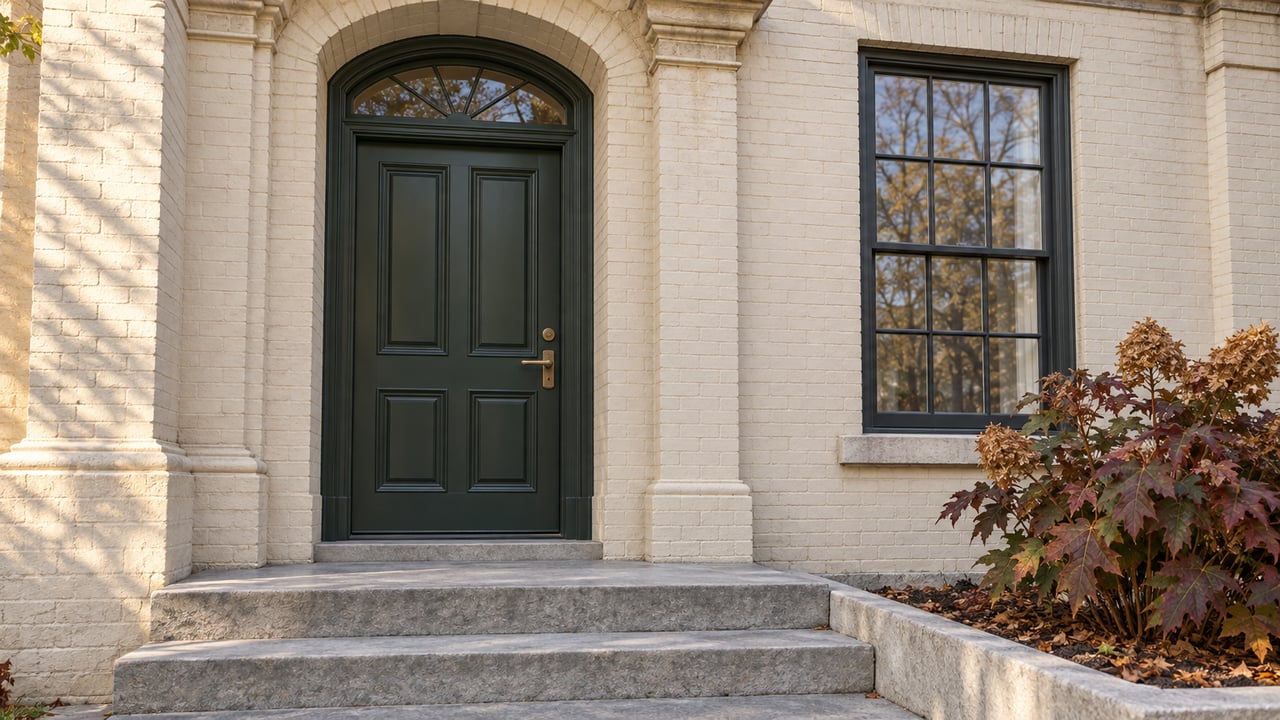
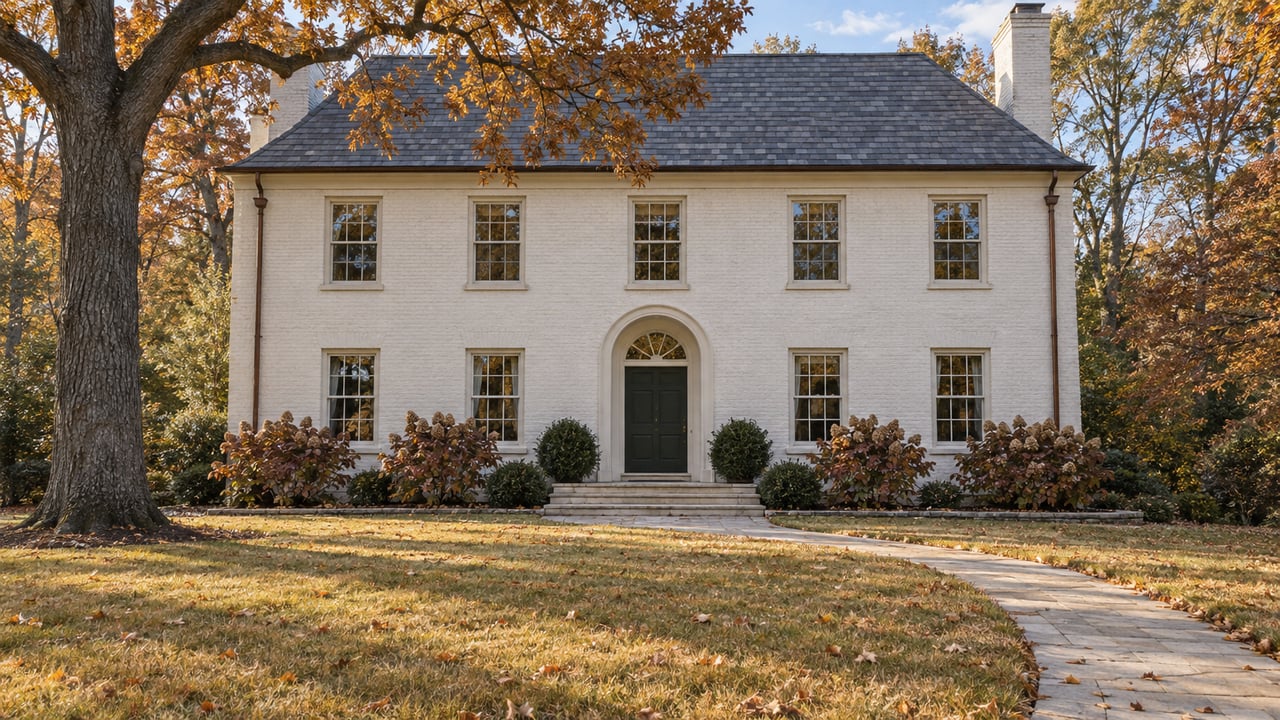
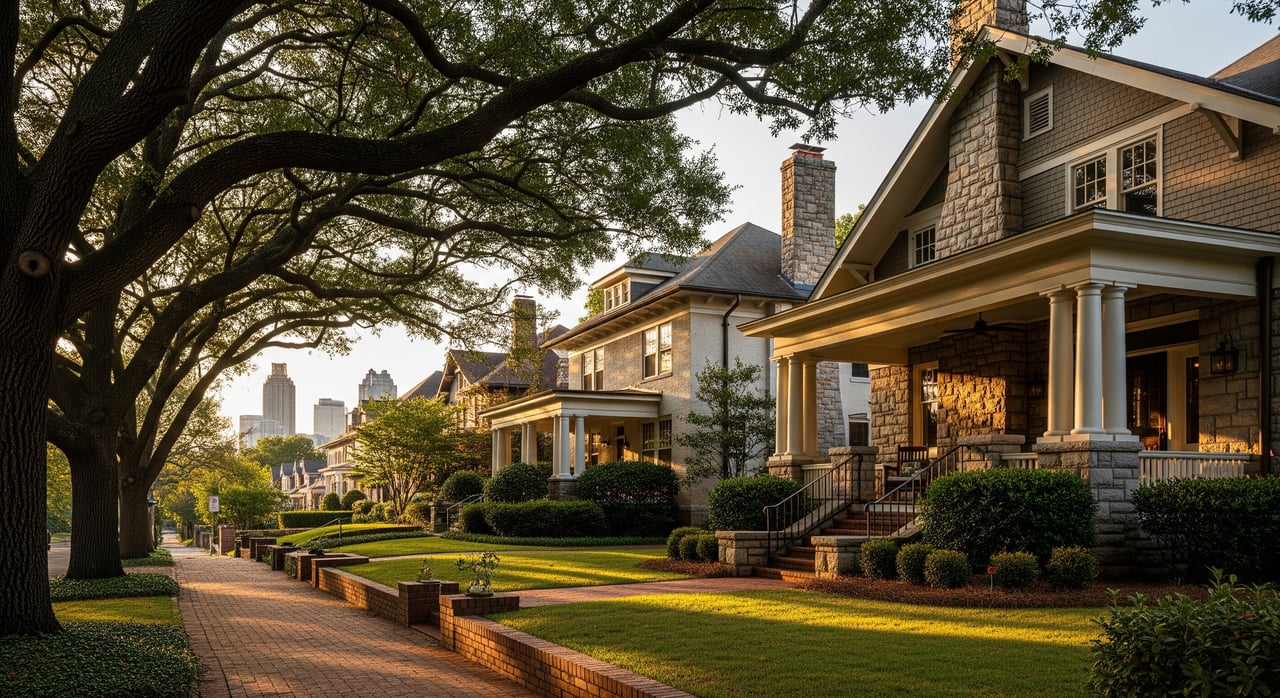
Most streets feature early 20th-century homes, including Craftsman bungalows, Tudor Revival, and Colonial Revival styles. Many houses have been renovated while preserving charming details like front porches, brickwork, and original millwork. Lot sizes vary, and some blocks include sloped yards, especially near the Morningside Park ravines. You’ll also see a mix of duplexes, small apartment buildings, and a scattering of townhomes and condos.
Renovation and infill
You will notice larger new builds replacing smaller originals on select streets. Infill has been steady over the past decade, which adds newer options but also changes block-by-block character. If a property sits inside a locally designated historic district, exterior changes often require design review. For guidelines and approvals, start with the City of Atlanta historic preservation resources. When evaluating renovation or new construction, pay close attention to lot setbacks, tree protection, stormwater plans, and slope.
What homes cost and how to plan
Morningside–Lenox Park is one of Atlanta’s higher-priced intown neighborhoods. Prices tend to sit above the citywide median because of location, perceived school quality, and walkability. Inventory can be tight, and renovated homes near commercial corridors often command premiums.
Entry paths
If you want to get a foothold in the neighborhood, your most attainable paths are condos, townhomes, or smaller renovated bungalows. These homes can offer the same location benefits with lower maintenance and a simpler ownership experience. Many buyers choose this route first, then trade up over time.
Move-up and luxury
Traditional single-family homes, especially those with expanded floor plans, sit in the mid-to-upper price tiers for intown Atlanta. Larger infill builds and extensively renovated historic homes can reach premium levels. If you value turn-key finishes, yards, and space to grow, plan your budget accordingly and watch days-on-market trends closely.
Market dynamics
Demand stays strong because of lifestyle factors and proximity to employment centers. Limited supply means well-presented homes can move quickly. To compete, align your financing early, review recent sales that match style and condition, and be ready to evaluate inspection findings and renovation scopes with confidence.
Daily life: walkability, shops, dining
Morningside is described as very walkable by third-party walkability measures. You can often handle coffee, breakfast, and everyday errands on foot, especially along North Highland Avenue and nearby commercial pockets.
Commercial corridors
North Highland and Morningside Village serve as small, local hubs with cafes, neighborhood restaurants, salons, markets, and services. For more variety, you can branch out to Virginia-Highland, the BeltLine Eastside corridor, and Midtown, which are a short drive or a reasonable walk for many residents. The feel is urban but relaxed, with plenty of choices close by.
Parks and BeltLine access
Morningside Park offers wooded trails and a quiet, natural retreat within the neighborhood. Larger parks like Piedmont Park and Freedom Park are just a quick ride away and offer fields, open lawns, and multi-use trails. Many residents value easy access to the Atlanta BeltLine’s Eastside Trail for biking, walking, and community events.
Schools and learning options
Public schools commonly associated with the neighborhood are Morningside Elementary (K–5), Inman Middle (6–8), and Grady High (9–12), all within Atlanta Public Schools. Assignments can shift over time, so always confirm with the Atlanta Public Schools boundary maps before you buy. Families in the area often review state report cards and third-party resources like GreatSchools profiles to compare programs and performance.
There are also multiple private and independent schools within a short drive in intown Atlanta. Many households consider both public and private options depending on grade level, commute, and program fit. Community events and recreational programs help round out everyday learning and social activities.
Getting around: driving, transit, biking
You have several commuting options. Driving to Midtown or downtown is typically a short trip, with access to Piedmont Avenue, Freedom Parkway, and the I-75/85 corridors. Like most intown areas, peak traffic can add time, so test your commute from a specific address.
There is no MARTA rail station within Morningside–Lenox Park. The closest rail access points are in nearby Midtown, including Arts Center and Midtown stations. Bus routes serve several corridors, and you can check current coverage on MARTA routes and schedules. Many streets are walkable and bikeable, though terrain can be hilly in places, so route planning helps.
Buyer and seller checklist
Use this quick list to focus your search and due diligence:
- Historic district review: If the home sits in a local historic district, confirm what exterior changes need design approval. The City of Atlanta historic preservation page is a good starting point.
- Lot constraints and topography: Near ravines and Morningside Park you may see sloped lots, tree-preservation rules, and smaller buildable areas. Factor in stormwater management and retaining walls where needed.
- Infill and teardown trends: Newer, larger homes can change block character and comparables. Evaluate how size, style, and siting affect value and long-term appeal.
- Parking and street restrictions: Some older properties have narrow driveways or limited off-street parking. If you rely on street parking, check rules and typical availability by time of day.
- Property condition and systems: Early 1900s homes may need electrical, plumbing, or structural updates. Budget for inspections and, if needed, phased renovation plans.
- Schools and enrollment: Confirm attendance boundaries with APS and review program options if school access is a priority.
- Commute and transit: If you prefer rail, map your route to the nearest MARTA station and review bus frequency on MARTA’s site.
- Resale prospects: Walkability and school access often support long-term demand. Resale value can vary with lot size, historic integrity, and renovation quality.
Is Morningside–Lenox Park right for you?
Choose this neighborhood if you want classic architecture, leafy blocks, and the ability to walk to local shops and parks. You will be close to Midtown and downtown with lifestyle amenities in every direction. Expect premium pricing versus the city median and prepare for a competitive market, especially for renovated homes near the main corridors. If daily rail access is essential, plan your route to nearby stations and test your commute during rush hour.
You can get a great feel for the area with a morning walk along North Highland, a loop through Morningside Park, and a quick drive to nearby BeltLine access points. Pay attention to lot slopes, parking layouts, and how a home’s renovation quality compares to recent sales. A little homework up front helps you buy with confidence.
Ready to explore with a local advisor?
If you want hands-on guidance, design-savvy advice, and data-driven pricing, you’ll feel at home working with Carson Cowan. From scouting renovated bungalows to planning value-add updates, you’ll get boutique, founder-led service supported by a vetted contractor network and the reach of a respected brokerage. Let’s connect and map your next step.
FAQs
What is Morningside–Lenox Park known for in Atlanta?
- A mature intown neighborhood about three miles from downtown with classic early 20th-century homes, strong walkability, and active community life.
How walkable is Morningside–Lenox Park for daily errands?
- Many errands are doable on foot along North Highland and nearby nodes, and Walk Score describes the area as very walkable.
Which public schools serve Morningside–Lenox Park?
- Morningside Elementary, Inman Middle, and Grady High are commonly associated, and you should confirm current boundaries with Atlanta Public Schools.
What housing types are common in Morningside–Lenox Park?
- Mostly single-family bungalows and historic styles, plus some duplexes, small apartments, and a scattering of condos and townhomes.
Is there a MARTA rail station in Morningside–Lenox Park?
- No, but nearby Midtown stations like Arts Center and Midtown are close, and bus routes serve the area; check MARTA routes and schedules.
What should buyers consider about renovations in the neighborhood?
- Historic district rules can govern exterior changes, so verify design review needs with the City of Atlanta’s preservation resources and assess lot constraints, trees, and drainage before you build or expand.