If you own a historic home in Ansley Park, selling it can feel like a balancing act. You want to showcase its character, protect its value, and avoid surprises that could slow down your timeline. The good news is that with the right prep, pricing, and presentation, you can move forward with more clarity and confidence. Let’s dive in.
Why Ansley Park Requires a Different Selling Strategy
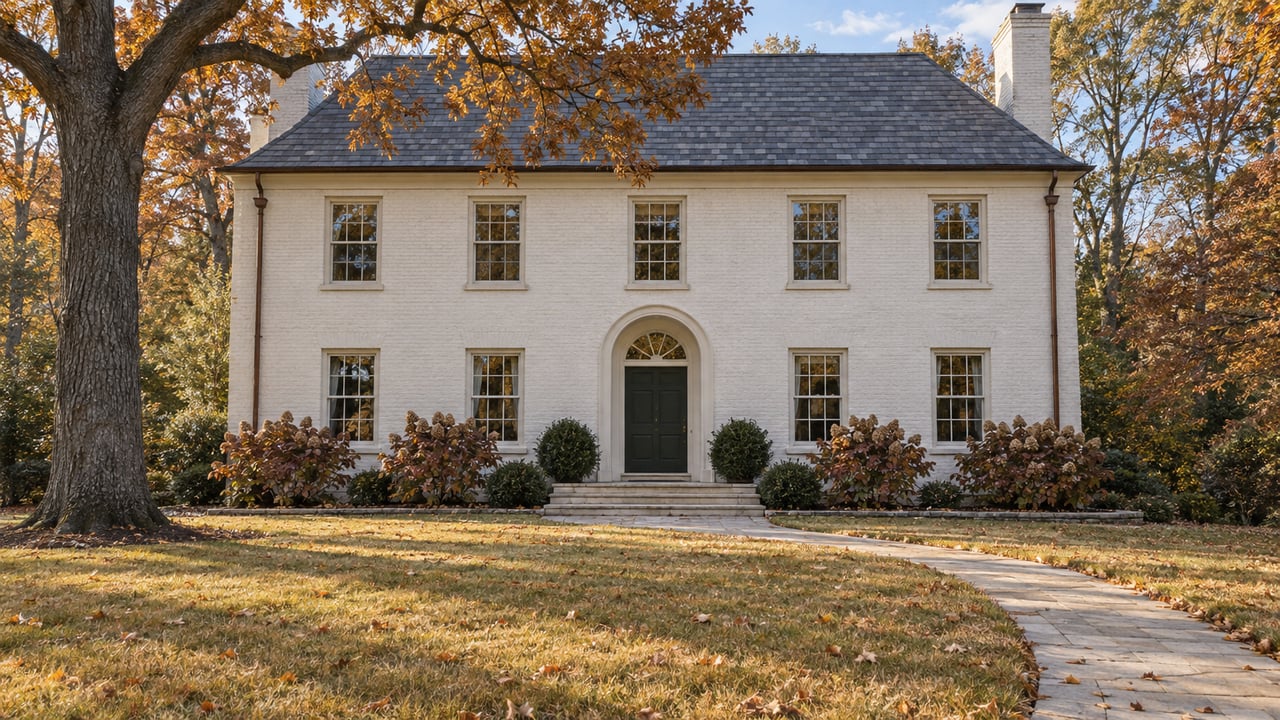
Ansley Park is not just another intown neighborhood. Developed in 1904, it is widely recognized for its winding streets, green spaces, and historic architecture, and it is described as Atlanta’s first automobile suburb. That history matters because buyers are often evaluating both the home itself and the setting around it.
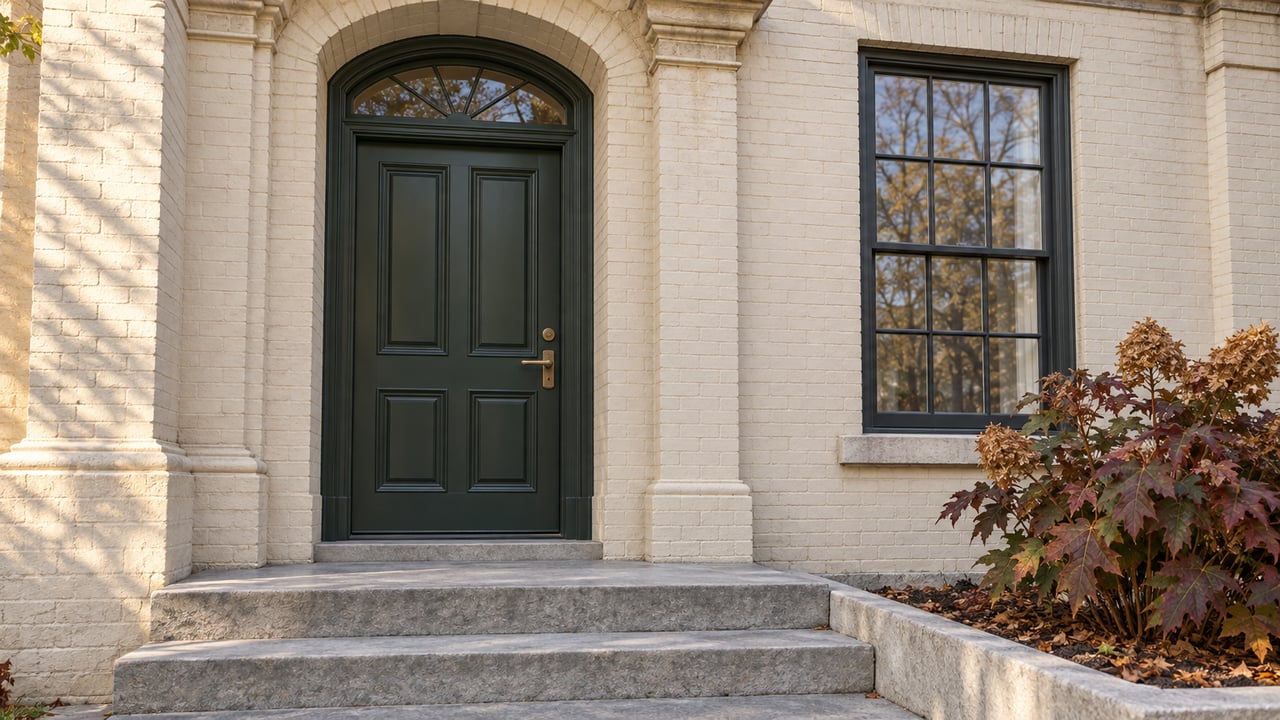
In practical terms, that means period details can carry real weight. Features like porches, masonry, mature landscaping, rooflines, original windows, and trim are often part of what makes a property stand out. When you sell here, your strategy should help buyers see those details clearly rather than compete with them.
Verify Historic Status Before Repairs
One of the most important first steps is confirming exactly what rules apply to your property. Ansley Park’s historic identity does not automatically mean every home is subject to the same local review process.
The City of Atlanta says the applicable preservation rules depend on the property’s specific designation and the scope of work. Before you schedule exterior repairs or updates, use the city’s GIS Property Info map to verify whether your home has a local historic or landmark designation.
If your property is locally designated, some exterior work may require a Certificate of Appropriateness. Depending on the project, the review may be handled by staff or may go to the Urban Design Commission.
This matters for sellers because timing can quickly get off track if you start work first and ask questions later. If you are planning any exterior improvements before listing, it is smart to sort out historic review and permitting needs early.
What to check early
- Whether the home has a local historic or landmark designation
- Whether your planned exterior work requires a Certificate of Appropriateness
- Whether the review can be handled by staff or needs a public review process
- Whether your contractor understands Atlanta’s permitting and historic review steps
- Whether your timeline allows for approvals before photography and launch
Atlanta also notes that some small repair work under $2,500 may not require a Certificate of Appropriateness, permit, or permit fee if the property is governed by Chapter 20 of the zoning ordinance. Because that exception applies to designated properties and specific work types, it is best treated as something to verify, not assume.
Take a Repair-First Approach
When selling a historic home, not every improvement adds value equally. In many cases, careful repairs do more for buyer confidence than broad replacement work.
Preservation guidance emphasizes retaining historic character and avoiding replacement of repairable materials when possible. It also supports sensitive upgrades to mechanical, electrical, plumbing, and code-related items when needed.
For you as a seller, that usually points to a repair-first plan. Buyers tend to respond well when a home feels cared for, stable, and ready for its next chapter.
Repairs worth prioritizing
- Fix active leaks
- Stabilize loose steps or railings
- Repair damaged trim or deteriorated masonry
- Service HVAC and other major systems
- Repair original windows or doors if they are still serviceable
- Address deferred maintenance that could raise inspection concerns
This approach protects two things at once. It helps preserve the home’s historic character, and it reduces the risk that visible maintenance issues will distract buyers from the property’s strengths.
Keep Cosmetic Updates Quiet and Intentional
Not every pre-list improvement needs to be dramatic. In a neighborhood like Ansley Park, subtle updates often work better than trend-driven changes.
Fresh paint, careful cleaning, refinished floors, repaired hardware, and thoughtful landscape work can improve presentation without competing with the architecture. The goal is to create a polished impression while keeping the home’s original character easy to read.
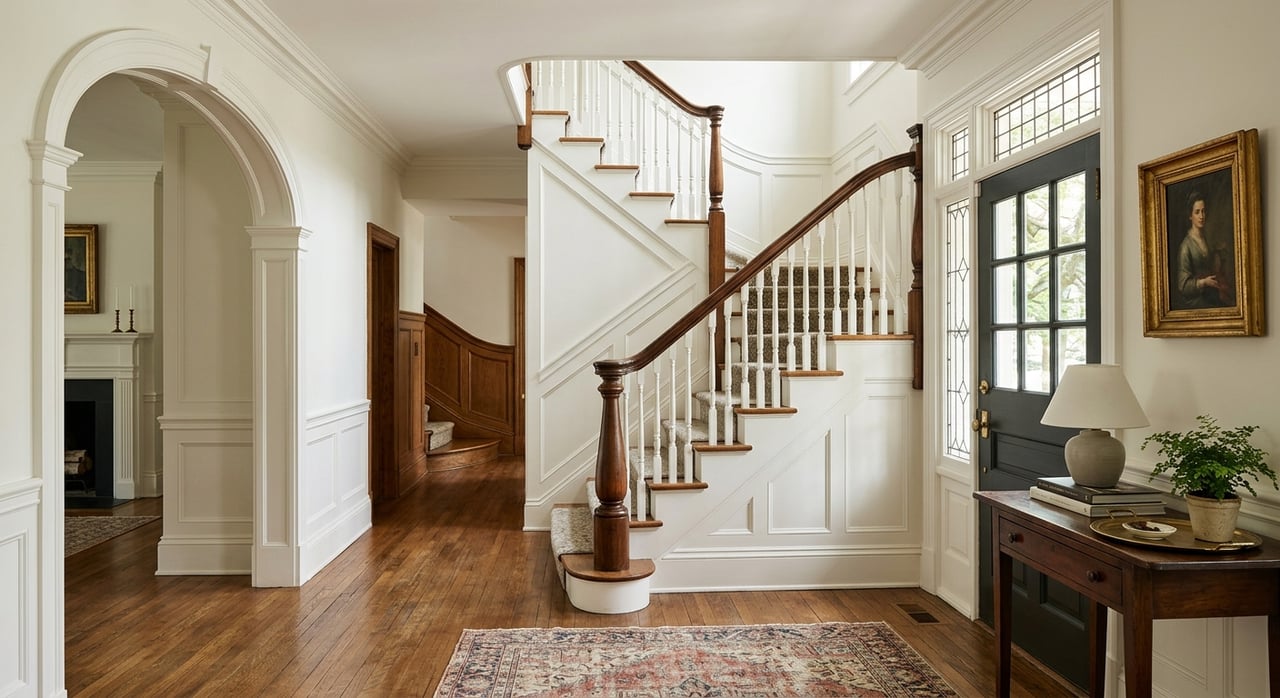
That is especially important in rooms or areas with strong architectural features. Fireplaces, stair halls, moldings, window proportions, and façade details should remain visually prominent in photos and showings.
Smart refresh ideas before listing
- Repaint with clean, classic colors
- Deep clean stone, brick, and wood surfaces
- Refinish worn hardwoods where needed
- Repair or polish original hardware
- Tidy foundation plantings and walkway edges
- Open sightlines to architectural focal points
A quiet refresh often performs better than an overdesigned one. Buyers looking in Ansley Park are usually not just shopping for square footage. They are responding to craftsmanship, setting, and the feeling of a home with staying power.
Stage Around the Home’s Character
Staging should support the architecture, not cover it up. In a historic home, that means making sure furnishings, art, and accessories do not block or visually crowd original features.
If your home has detailed millwork, tall windows, a formal stair, or a strong fireplace wall, those should remain easy to notice. A clean, edited staging plan can help buyers focus on scale, flow, and character rather than on personal décor.
This is where a design-aware selling strategy can make a difference. The right presentation helps buyers connect the home’s historic details to modern livability, which is often the key to stronger interest.
Price Using Current Ansley Park Reality
Pricing a historic home in Ansley Park requires a neighborhood-specific lens. Broad Atlanta averages are not enough, and even national portal data should be read carefully.
Recent market trackers show a high-value but mixed picture. Redfin reports a median sale price of $1,959,341 in the three months ending May 2026, up 13.6% year over year, with an average of 56 days on market and homes selling about 3% below list on average. Redfin also describes the area as somewhat competitive, while noting that hot homes can go pending in about 24 days.
Zillow’s separate snapshot shows an average home value of $900,122 as of June 30, 2026, along with 32 homes for sale and a median list price of $555,633. Those numbers are best understood as different data views rather than direct contradictions, because the platforms use different methods and samples.
For sellers, the takeaway is simple. Price against recent nearby sales first, then adjust for condition, lot size, preserved historic details, deferred maintenance, and the quality of any completed improvements.
What should shape your asking price
- Recent comparable sales in Ansley Park
- Overall condition and inspection readiness
- Lot size and setting
- Extent of preserved historic features
- Quality of updates and repairs
- Market timing and competition from active listings
Overpricing can cost time, especially in a market where average days on market is not especially short. A well-supported pricing strategy creates stronger early interest and gives you a better chance of attracting serious buyers while your listing feels fresh.
Build More Time Into Your Timeline
Historic-home sales can involve more moving parts than a standard listing. Even if your house is beautifully prepared, questions about permits, review requirements, or past improvements can affect timing.
Atlanta makes clear that the scope of work determines whether a project needs standard permits, historic review, staff approval, or Urban Design Commission review. That is why sellers should line up inspections, contractors, and any needed paperwork before photography and marketing begin.
A rushed timeline can create unnecessary friction. A planned timeline gives you room to resolve repair items, confirm documentation, and present the home with confidence from day one.
A practical pre-list timeline
- Confirm the home’s designation and review requirements
- Walk the property with key vendors and identify needed repairs
- Complete repair-first work and service major systems
- Make selective cosmetic improvements
- Stage to highlight character-defining features
- Review neighborhood comps and set pricing
- Launch with professional marketing once the home is fully ready
Why Confidence Comes From Preparation
Selling a historic Ansley Park home is rarely about doing the most. It is about doing the right things in the right order.
When you verify the property’s status early, focus on character-respecting repairs, keep updates restrained, and price from current neighborhood data, you put yourself in a much stronger position. Buyers can then focus on what makes your home special instead of on preventable questions or distractions.
If you are preparing to sell in Ansley Park, working with an advisor who understands design, condition, pricing, and timeline management can make the process far more strategic. To talk through your home, your timeline, and the smartest next steps, connect with Carson Cowan.
FAQs
What makes selling a historic home in Ansley Park different from selling another Atlanta home?
- Ansley Park buyers often value both the home and its historic setting, so pricing, repairs, and staging should highlight original character and neighborhood context.
How can you check whether an Ansley Park home has local historic designation?
- You can verify the property’s status through the City of Atlanta’s GIS Property Info resources and historic preservation tools before starting exterior work.
What repairs should sellers prioritize before listing a historic Ansley Park home?
- Focus first on leaks, loose steps or railings, damaged trim or masonry, serviceable original windows or doors, and major system maintenance that could affect buyer confidence.
Does exterior work on a historic Ansley Park home always require approval?
- No. The City of Atlanta says requirements depend on the property’s designation and the scope of work, so some projects may need a Certificate of Appropriateness while others may not.
How should you price a historic home in Ansley Park?
- Start with recent nearby sales, then adjust for condition, lot size, preserved historic details, deferred maintenance, and the quality of updates rather than relying on broad metro averages.
How long does it usually take to sell a home in Ansley Park?
- Recent Redfin data shows an average of 56 days on market in Ansley Park, although hot homes can go pending in about 24 days.