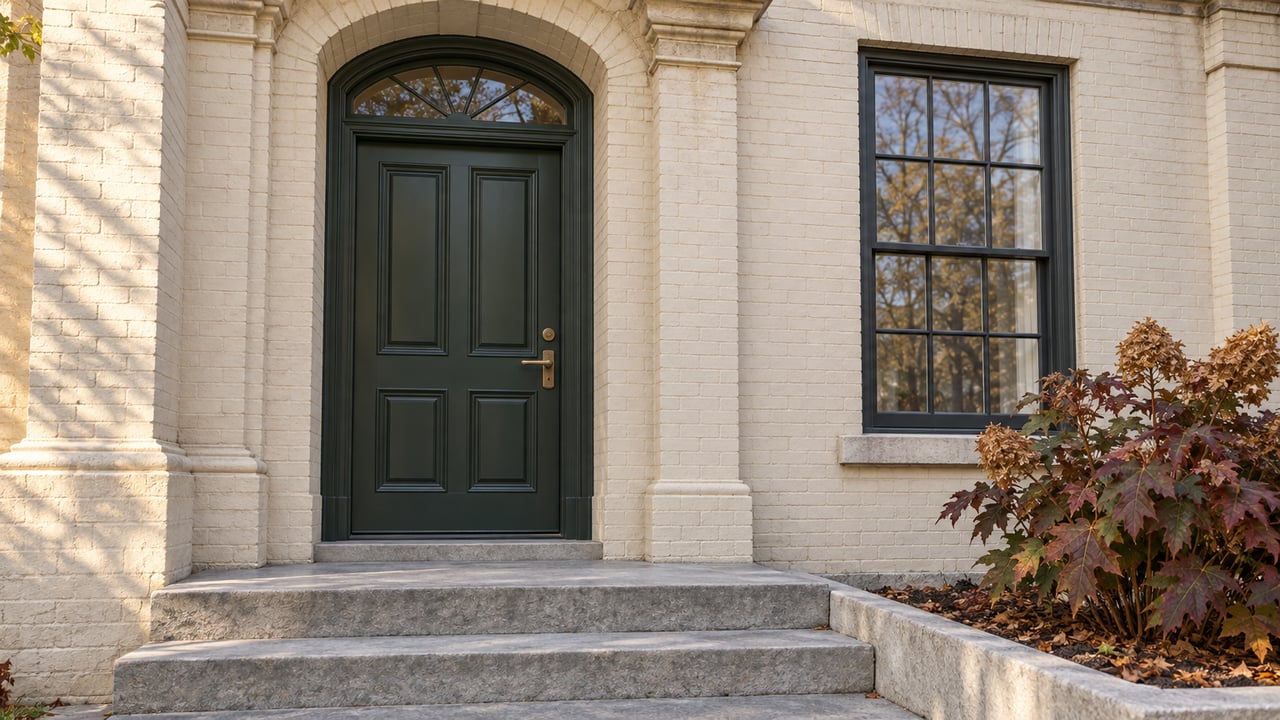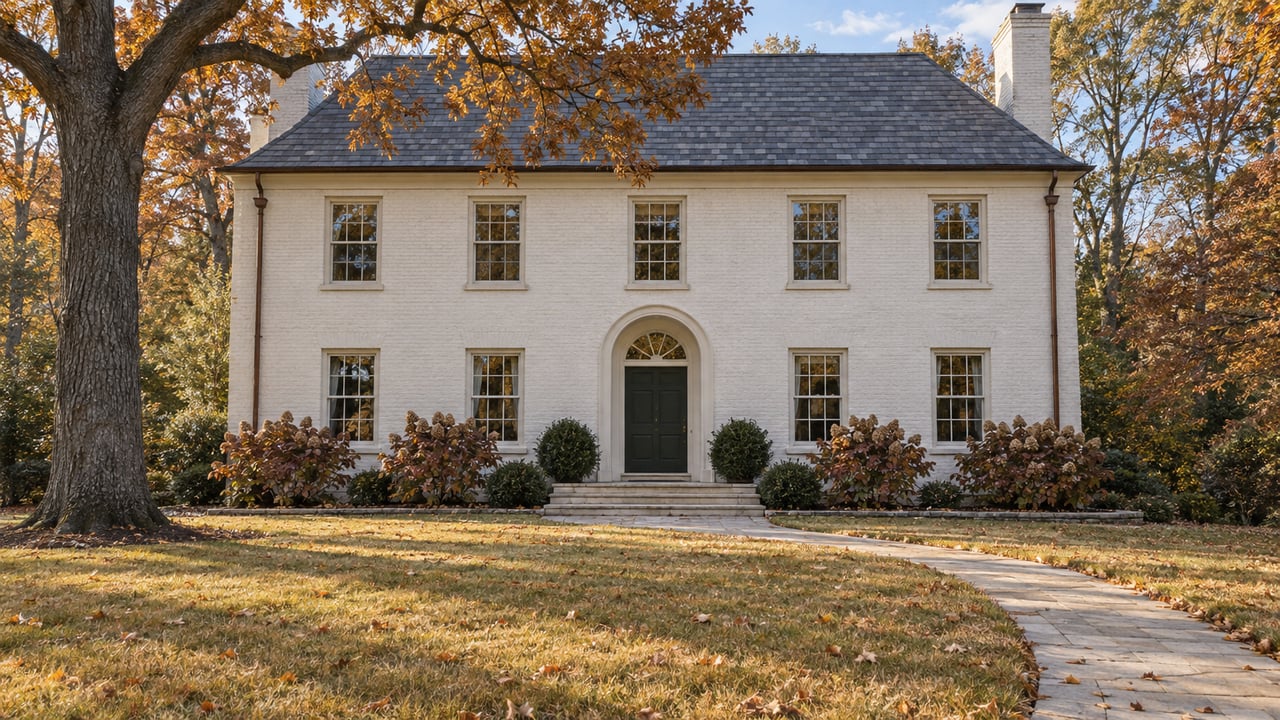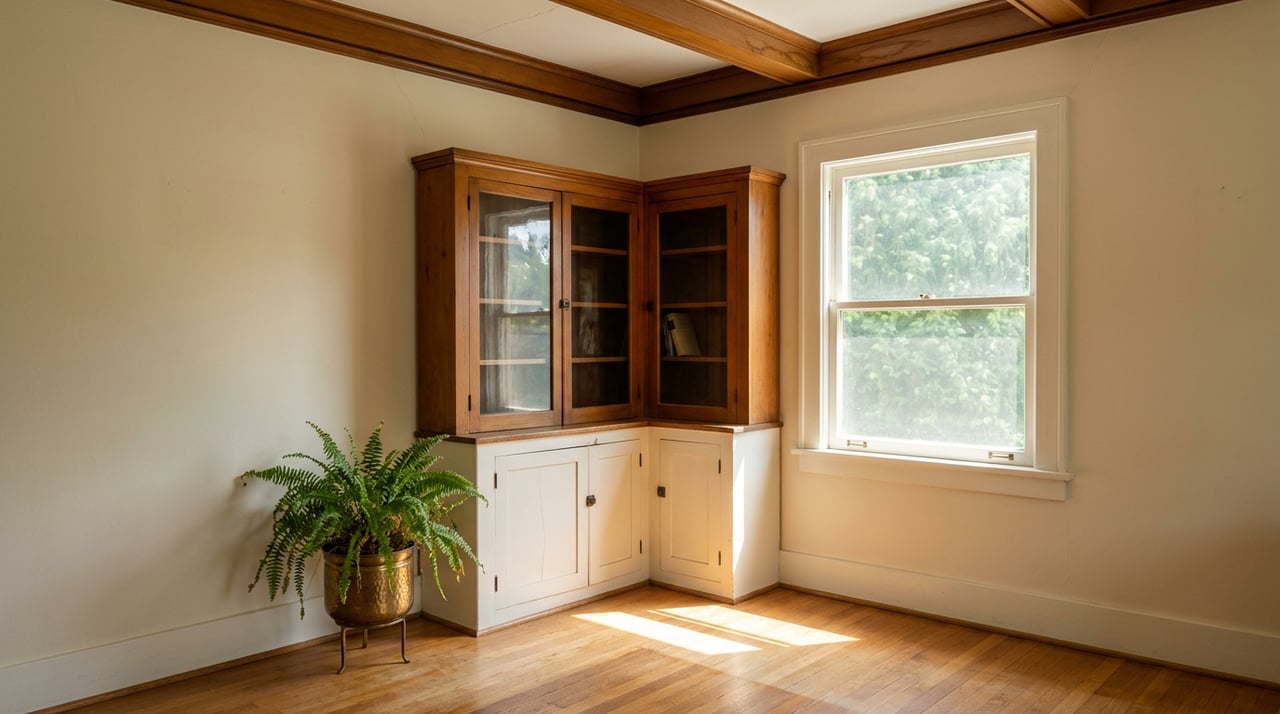
Walk North Highland Avenue and you'll hear the same pitch from three different agents: buy the unrenovated Craftsman bungalow, not the one someone already fixed up. Original bungalows in Virginia-Highland are trading between roughly $700,000 and $1 million right now, and that's 30 to 40 percent below a comparable renovated home on the same block. Put $200,000 to $400,000 into it and you've built equity before you've unpacked a box.
That math is real. It's also incomplete. What the listing sheet doesn't mention is that a meaningful share of Virginia-Highland sits inside the City of Atlanta's landmark historic district, alongside Inman Park, Grant Park, Druid Hills, and Ansley Park, according to Site Plan Creator. Any exterior change to a home in that footprint has to clear the Atlanta Urban Design Commission before a contractor can pull a permit, according to the City of Atlanta. That review isn't a formality. It's a dated, calendar-driven process that eats into the very equity the discount is supposed to create.
What the UDC Actually Controls
The Urban Design Commission reviews Certificates of Appropriateness for exterior work in Atlanta's designated historic and landmark districts. If you're swapping a window that faces the street, bumping out a porch, adding a dormer, or removing a chimney, that's a COA application, not a walk-in permit. According to Artistic Construction, interior work is generally left alone. A new kitchen layout, updated wiring, or a bathroom remodel that doesn't touch the exterior wall usually skips the review entirely.
The timeline is where the math gets real. Certificate of Appropriateness review runs on a monthly meeting schedule, with applications due two to three weeks ahead of each session. Depending on the source, that adds four to eight weeks before you even reach the building permit stage, and the standard city permit itself takes another two to three weeks after approval. Stack it together and a straightforward exterior addition can lose a month and a half to two months before a single stud gets cut, purely to process.
For a buyer running the numbers on a $250,000 renovation budget, that's not a rounding error. It's carrying costs, a longer construction loan draw period, and a longer stretch of paying a mortgage on a house you can't yet live in the way you planned.
A few things that typically stay outside COA review, based on how the ordinance is applied:
- Interior renovations that don't touch load-bearing walls visible from the street
- Kitchen and bathroom remodels contained within the existing footprint
- Mechanical, electrical, and plumbing updates with no exterior signature
And a few that reliably trigger it:
- Additions, dormers, or any change to the roofline
- Replacing windows or doors on street-facing elevations
- Front porch modifications, including enclosing or expanding one
- Removing or altering original exterior materials like siding or masonry
Why the Work Itself Runs Longer, Too
Getting the COA stamp doesn't end the friction. Historic-district remodels in metro Atlanta take an estimated 25 to 40 percent longer than a comparable standard remodel, largely because specialized trades, plasterers, restoration carpenters, period tile installers, stay booked further out than general contractors. Careful demolition that preserves original crown molding or baseboard for reinstallation takes hand labor a standard tear-out doesn't require.
None of this means the discount is fake. It means the discount is compensation for time, and time has a cost that doesn't show up on the comparative market analysis. A buyer who prices the renovation like an open-market remodel, six weeks to permit, standard trade availability, is going to be surprised twice: once by the review calendar, and once by the subcontractor schedule.
The Tax Credit That Rarely Comes Up at the Open House
If you're buying with rental income in mind rather than owner-occupancy, there's a credit worth knowing about. Georgia offers a 25 percent state historic rehabilitation tax credit, and it can stack with the 20 percent federal credit for income-producing historic properties, for a combined 45 percent on qualifying rehab costs. That federal piece is limited to income-producing property, so it applies more directly to the investor-minded buyer converting a bungalow to a rental than to a family planning to live in it. Either way, it's a conversation worth having with a tax professional before the renovation budget gets finalized, not after.
Why the "Median Price" You Saw Online Is Barely Usable
There's a second layer to this that trips up buyers doing early research: Virginia-Highland doesn't sell enough homes in any given month for a single median price to mean much. Three portals pulling data around the same period tell three very different stories. Zillow's home value index put the average Virginia-Highland home value at $972,139 as of June 30, 2026, up 6.5 percent year over year. A separate Realtor.com snapshot from April 2026 showed a median listing price of $448,500 and a median of $406 per square foot across 41 active listings. Meanwhile, Orchard's tracking of the 30 days ending in late August 2026 showed a median sale price of $1,175,000, up 46.9 percent year over year, built from just six closed transactions.
Six sales is not a market. It's barely a sample. One $2 million renovated Tudor closing next to two $650,000 bungalows will swing that median by hundreds of thousands of dollars in either direction, and the next month's number can look nothing like this one. The active-listing median (skewed toward what's currently for sale, including smaller condos and starter bungalows) and the closed-sale median (skewed toward whatever actually traded that month) are measuring different things entirely, which is why they don't agree.
The practical takeaway: treat any single "Virginia-Highland median price" as a headline, not a planning number. What matters is the specific street, the specific lot.
What This Means If You're Pricing a Fixer-Upper
Before writing an offer on an unrenovated bungalow in Virginia-Highland, one step is worth taking:
First, skip the neighborhood-wide median entirely and comp the specific street. A bungalow's real value in Virginia-Highland is set by its block, its lot size, and whether the renovation ahead of it is cosmetic or structural, not by whatever number a portal happened to calculate that month.
The discount on original Virginia-Highland bungalows is genuine. So is the clock attached to it. Buyers who account for both end up with the equity they expected. Buyers who only account for one end up frustrated at a monthly commission meeting, wondering why the porch they wanted to enclose in March isn't approved until June.
A Few Questions Worth Asking Before You Offer
Can I still do a fast kitchen or bathroom remodel? Generally yes. Interior work that doesn't change the exterior appearance or involve structural changes visible from the street typically doesn't require a Certificate of Appropriateness.
Does the historic tax credit apply if I'm going to live in the house myself? The federal 20 percent credit is limited to income-producing property, so an owner-occupant renovating a primary residence won't qualify for that piece. It's a stronger fit for buyers planning to hold the home as a rental. Talk to a tax professional about what applies to your specific plans.
If you're weighing an unrenovated Virginia-Highland bungalow against a move-in-ready one, or trying to figure out what a specific block's historic status means for your renovation timeline and budget, Carson Cowan can walk the numbers with you before you write an offer, not after. Let's Connect.
This article is general information, not legal, tax or financial advice. Consult a qualified professional about your situation.