If you want an Atlanta neighborhood where coffee, dinner, weekend errands, and a walk in the park can all fit into the same day without constant car time, Virginia Highland deserves a close look. For many buyers, the appeal is not just charm. It is the way daily life can feel easier, more connected, and more flexible in an intown setting. Here’s what walkable living in Virginia Highland really looks like, what kinds of homes you’ll find, and what to expect from the market. Let’s dive in.
Why Virginia Highland Feels Walkable
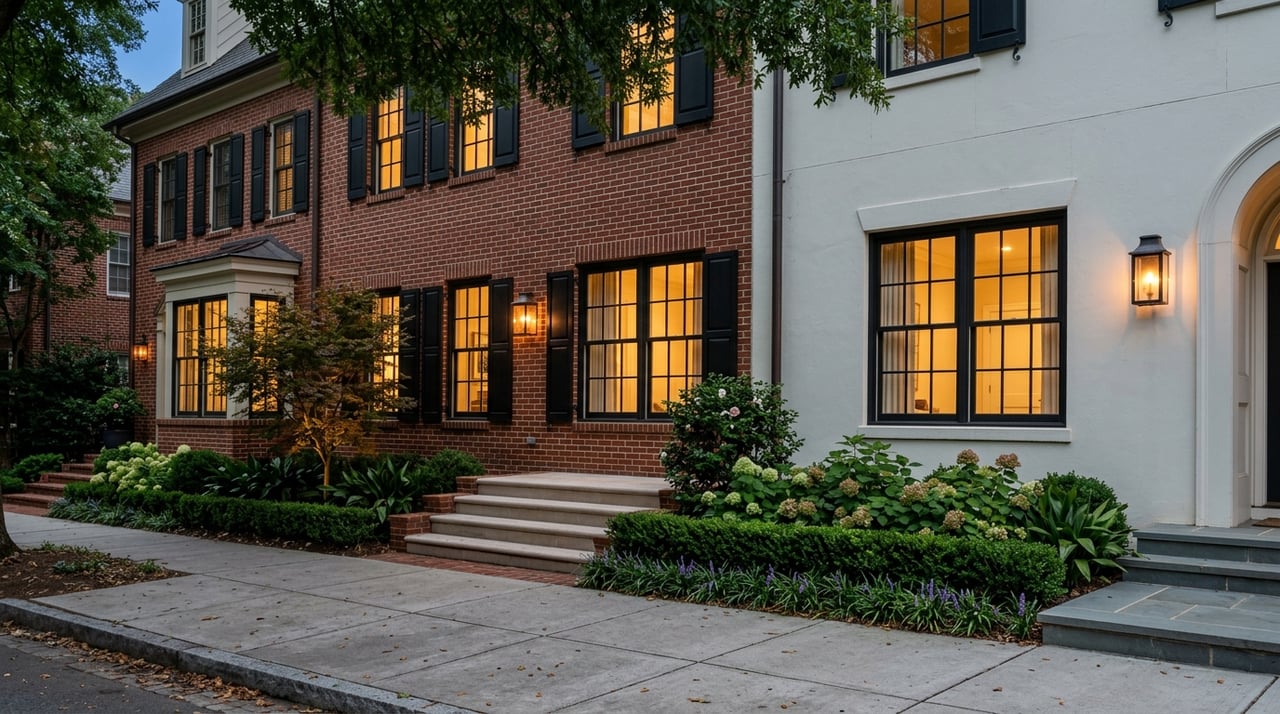
Virginia Highland is one of Atlanta’s historic intown neighborhoods and a National Register historic district. It is known for tree-lined streets, historic homes, and a commercial district that gives many residents access to shopping, dining, nightlife, parks, and trails within a relatively short distance.
The Virginia Highland District is anchored by a 1.4-mile stretch of North Highland Avenue. Along that corridor, you’ll find a mix of restaurants, shops, bars, and fitness and wellness businesses that help support day-to-day convenience.
Walk Score currently gives Virginia Highland a 77 and ranks it as the 15th most walkable neighborhood in Atlanta. The most walkable experience is generally centered around the North Highland and Virginia Avenue commercial core, so your exact block matters if being able to leave the car parked is high on your priority list.
What Daily Life Looks Like on Foot
Walkability means more than being near restaurants. In Virginia Highland, part of the value is that everyday needs can often be handled close to home, especially near the neighborhood’s main commercial areas.
The local business mix includes dining destinations like Murphy’s, Bar.bacoa, Truva Turkish Kitchen, Rosa, and Ela. You’ll also find practical stops and lifestyle businesses such as Intown Hardware, CVS, Highland Runners, Moosh Shoppe, Urban Cottage, and The Green Flamingo.
That balance matters if you want a neighborhood that supports both leisure and routine. You may be able to grab dinner, pick up household basics, shop for gifts, or fit in a fitness errand without turning every outing into a longer cross-town trip.
Local Events Add to the Lifestyle
A walkable neighborhood often feels more connected when there are reasons to be out and about beyond daily errands. Virginia Highland has recurring events that support that street-level energy and help reinforce the neighborhood’s local character.
The VaHi Farmers Market operates on Sundays at Highland Woodworking. Porchfest brings music to neighborhood porches near Virginia and North Highland, while Winterfest includes a holiday parade, 5K, gift market, and home tour.
These events are more than nice extras. They help create the kind of neighborhood rhythm many buyers are looking for when they say they want an intown lifestyle.
Parks and Trails Expand the Footprint
Virginia Highland’s walkable appeal is not limited to its business district. Access to parks, trails, and open space is a major part of what makes the neighborhood attractive for buyers who want both convenience and outdoor options.
The Atlanta BeltLine Eastside Trail passes Virginia Highland among the neighborhoods along the route. That gives residents access to one of the city’s most recognized trail connections, stretching from the tip of Piedmont Park to Reynoldstown.
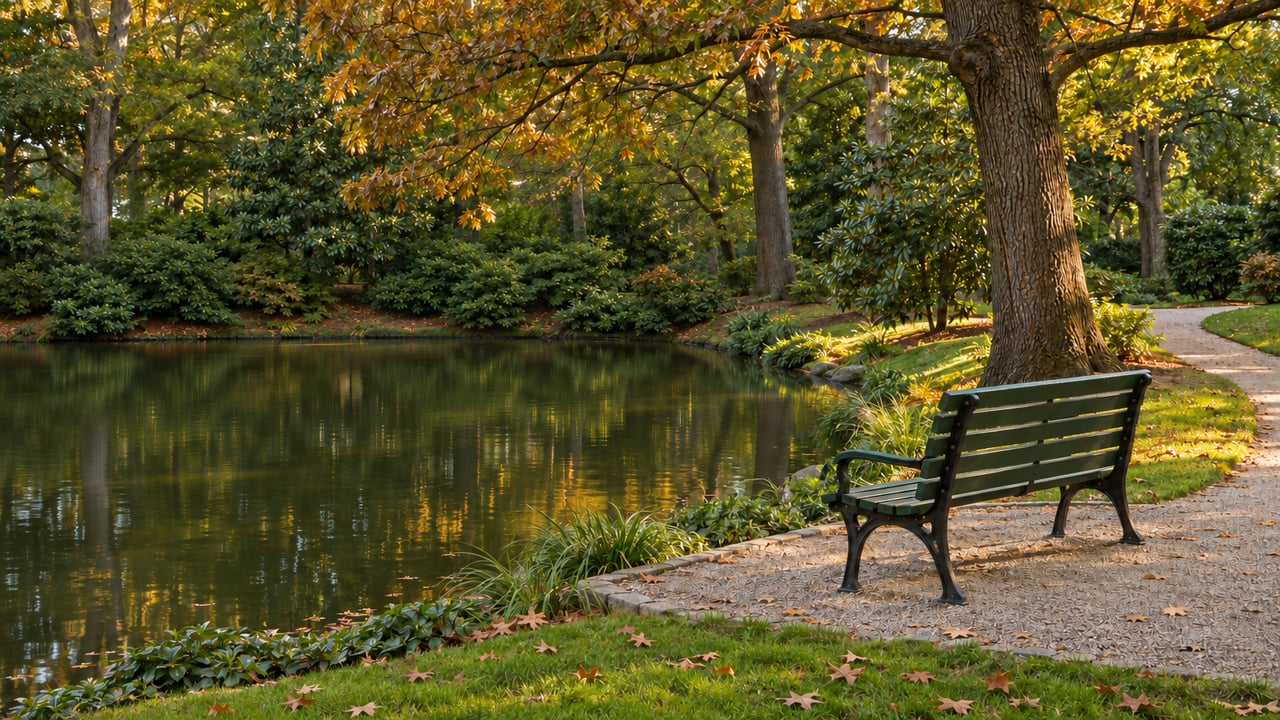
Freedom Park is another major asset nearby. It is Atlanta’s largest linear park and designated Art Park, with more than 130 acres and 8 miles of paths, plus connections to the BeltLine network.
The neighborhood association also notes proximity to Piedmont Park and highlights John Howell Park as a neighborhood gathering space for festivals and everyday recreation. Taken together, these outdoor assets strengthen Virginia Highland’s appeal for buyers who want a lifestyle that blends neighborhood convenience with green space.
Where the Most Convenient Blocks Tend to Be
Not every home in Virginia Highland will offer the same level of walk-to-everything access. In practical terms, the strongest convenience tends to cluster closer to the North Highland Avenue and Virginia Avenue core and around the neighborhood’s corridor edges.
That does not mean other blocks are disconnected. It means your experience may vary depending on whether you want to walk for coffee and dinner several times a week, rely on nearby errands, or prioritize quick access to trails and parks.
This is where a neighborhood-specific home search matters. In a place like Virginia Highland, two homes can both share the same neighborhood name but offer very different day-to-day routines.
Homes You’ll Find in Virginia Highland
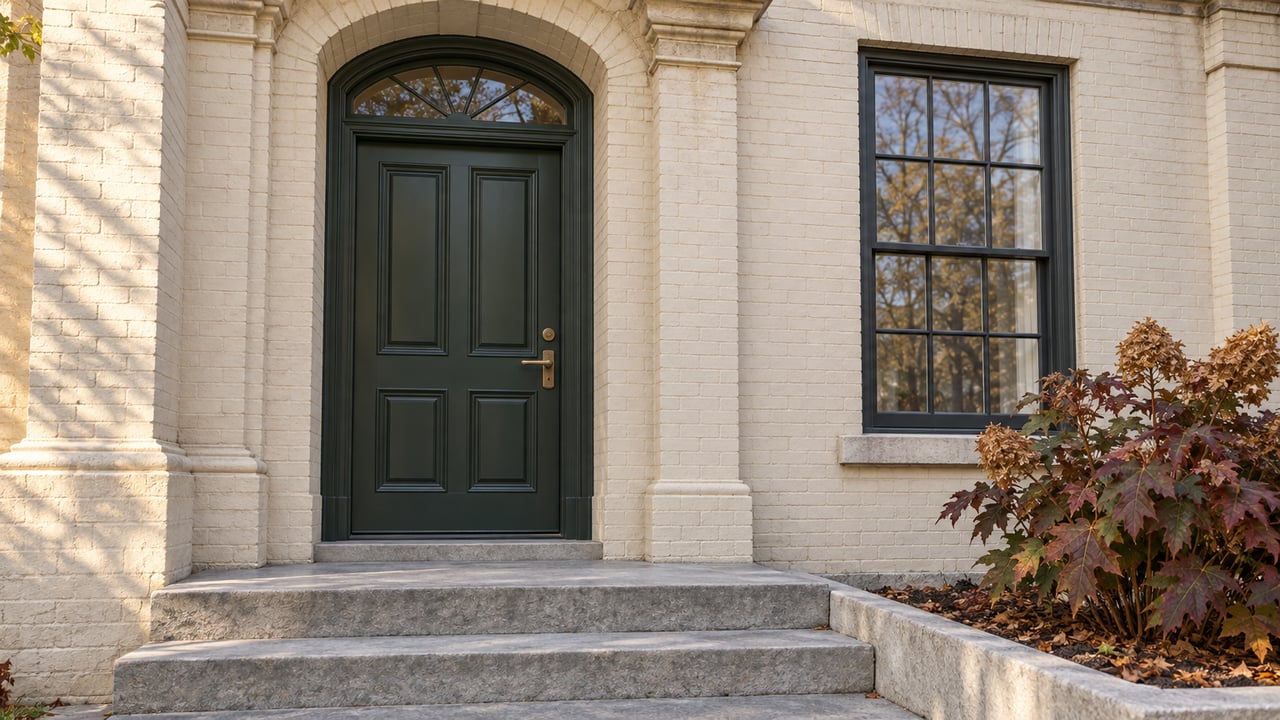
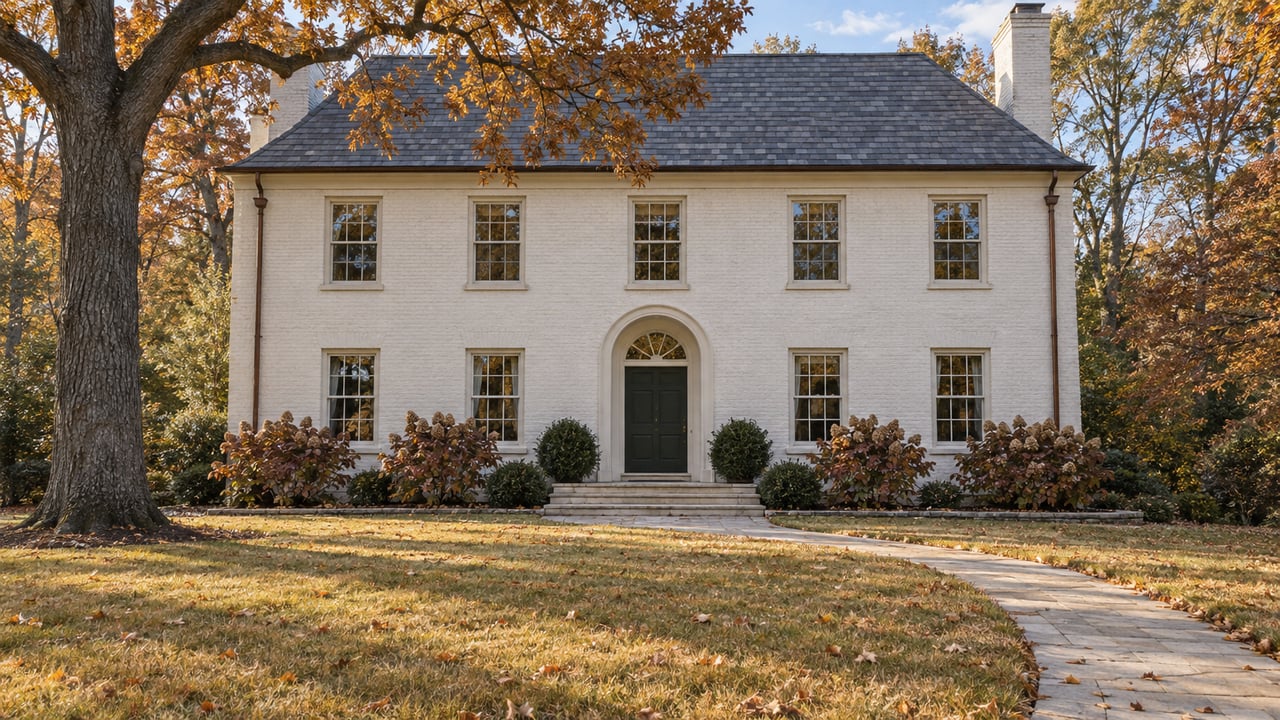
Virginia Highland’s housing stock is one reason the neighborhood stands out. The historic fabric is centered on bungalows, cottages, and Foursquare homes, most built between 1905 and 1936.
The City of Atlanta’s master plan identifies most of the neighborhood as single-family residential, with multi-family parcels more common along the BeltLine, Ponce de Leon Avenue, and Briarcliff Road. Commercial nodes are concentrated along North Highland Avenue.
For buyers, that often translates into a mix of renovated detached homes on tree-lined residential streets and condos or other attached homes closer to the corridor edges. If you want classic architecture and a neighborhood feel, the single-family stock is a major draw. If you want lower-maintenance living in an intown location, condo options can also put Virginia Highland within reach.
What the Market Looks Like Right Now
Virginia Highland remains a premium intown market, but it is not a one-price neighborhood. Current pricing signals vary depending on the source and methodology, so the smartest way to read the market is as a range rather than a single headline number.
Recent snapshots show that range clearly. Redfin reported a May 2026 median sale price of $722,257 and 19 median days on market, while Zillow’s Home Value Index placed the average home value at $973,941 as of May 31, 2026. Realtor.com reported a median listing price of $439,000, with 42 homes for sale and a median rent of $1,675.
Those numbers are not contradictory as much as they are measuring different things. They do, however, point to the same conclusion: Virginia Highland commands a premium relative to many other areas, but the neighborhood includes multiple price points and property types.
Price Range Depends on Property Type
Recent sales examples show just how broad the range can be. Redfin reported a 1-bedroom condo closing at $187,100, another 1-bedroom condo at $275,000, a 3-bedroom home at $600,000, and a 4-bedroom single-family home at $1.85 million.
Zillow also showed an active Virginia Highland listing at $2.5 million. For buyers, that means the neighborhood can work for very different budgets depending on the type of property, condition, and location within the neighborhood.
This also matters for sellers. In a market with a wide spread between entry-level condos and high-end renovated homes, pricing strategy and presentation can have a major impact on how your home competes.
Is Virginia Highland Competitive?
The market appears active, but not uniformly overheated. Redfin describes Virginia Highland as somewhat competitive, while Realtor.com characterizes it as balanced or warm.
The takeaway is useful for both buyers and sellers. Buyers should be prepared for demand in a popular intown neighborhood, but not assume every listing will turn into a frenzied bidding situation. Sellers should recognize that strong preparation still matters because demand alone does not guarantee the best outcome.
Who Virginia Highland Fits Best
Virginia Highland can be a strong fit if you want an intown neighborhood where historic housing, local businesses, parks, and trail access all play a role in daily life. It especially appeals to buyers who value being able to walk for dining, errands, and recreation instead of relying on the car for every outing.
It may also appeal if you are weighing different ownership styles. Some buyers are drawn to historic detached homes with renovation upside, while others prefer condos or attached homes that offer simpler maintenance and a lower entry point.
The key is matching your budget, housing preferences, and lifestyle goals to the right pocket of the neighborhood. In Virginia Highland, block-by-block context can make a real difference.
Why Local Guidance Matters Here
In a neighborhood like Virginia Highland, the details matter. Walkability can vary by address, pricing can vary sharply by property type, and older homes can come with both character and renovation considerations.
That is where a design-aware, data-driven approach can help. If you are buying, you want to understand not just whether a home is attractive, but how it lives day to day and how it fits the current market. If you are selling, you want a strategy that reflects the neighborhood’s price bands, buyer expectations, and the value of thoughtful presentation.
If you’re thinking about buying or selling in Virginia Highland, Carson Cowan can help you evaluate the neighborhood with a practical, local perspective and a tailored plan for your goals.
FAQs
How walkable is Virginia Highland in Atlanta?
- Virginia Highland has a Walk Score of 77, and the strongest walkable convenience is generally around North Highland Avenue and Virginia Avenue.
What types of homes are common in Virginia Highland?
- The neighborhood is known for historic bungalows, cottages, and Foursquare homes, with condos and other attached options appearing more often near corridor edges.
Are there parks and trails near Virginia Highland?
- Yes. Virginia Highland has access to the BeltLine Eastside Trail, Freedom Park, Piedmont Park, and neighborhood green spaces like John Howell Park.
Is Virginia Highland only for luxury buyers?
- No. While it is a premium intown market, recent examples show a wide range from entry-level condos under $200,000 to single-family homes priced well above $1 million.
Is Virginia Highland a competitive housing market?
- Current market descriptions suggest active demand, but not a uniformly overheated market, with sources describing it as somewhat competitive or balanced/warm.